

Ergonomic Shoulder Air Pad for Bags: A Smart Solution to Everyday Carrying Discomfort
Carrying bags—whether for work, school, travel, or daily errands—is an unavoidable part of modern life. Yet, many people experience persistent discomfort that goes far beyond simple fatigue. Common pain points include sharp pressure points on the shoulders, uneven weight distribution causing neck strain, numbness or tingling down the arms after prolonged use, and even chronic upper back tension that worsens over time. Students hauling heavy textbooks, professionals lugging laptops and documents, travelers managing carry-on luggage, and delivery couriers navigating urban streets all report similar issues: shoulder grooves that linger for hours, red marks that sting, and a growing sense of physical resistance toward tasks that once felt routine. These are not minor inconveniences—they reflect a fundamental mismatch between traditional bag design and human anatomy. Conventional straps rely on flat, rigid, or minimally padded materials that compress soft tissue without adapting to movement, muscle contours, or shifting loads. Over time, this leads to microtrauma, poor posture reinforcement, and reduced circulation—all silently accelerating wear on the musculoskeletal system.
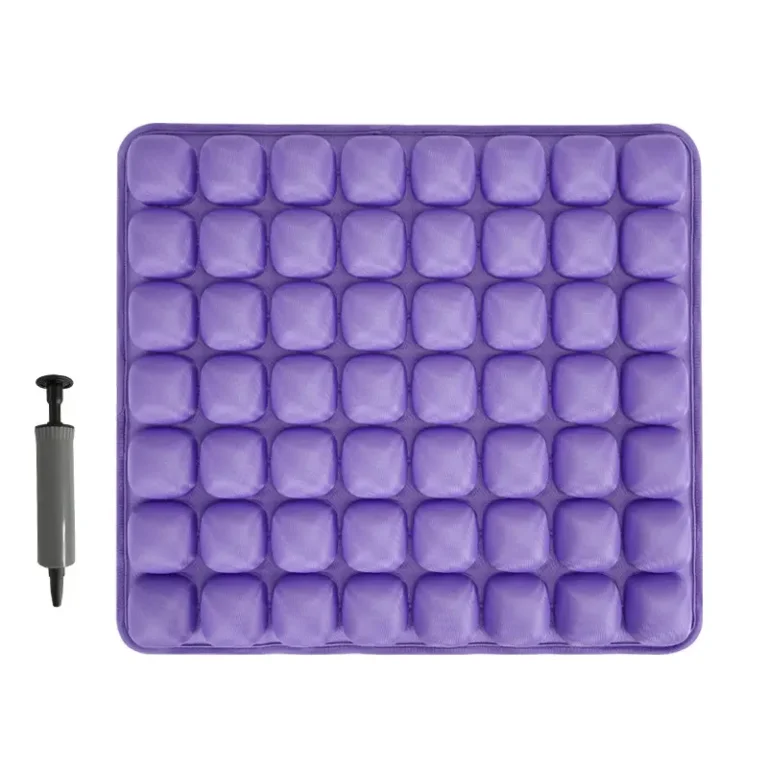
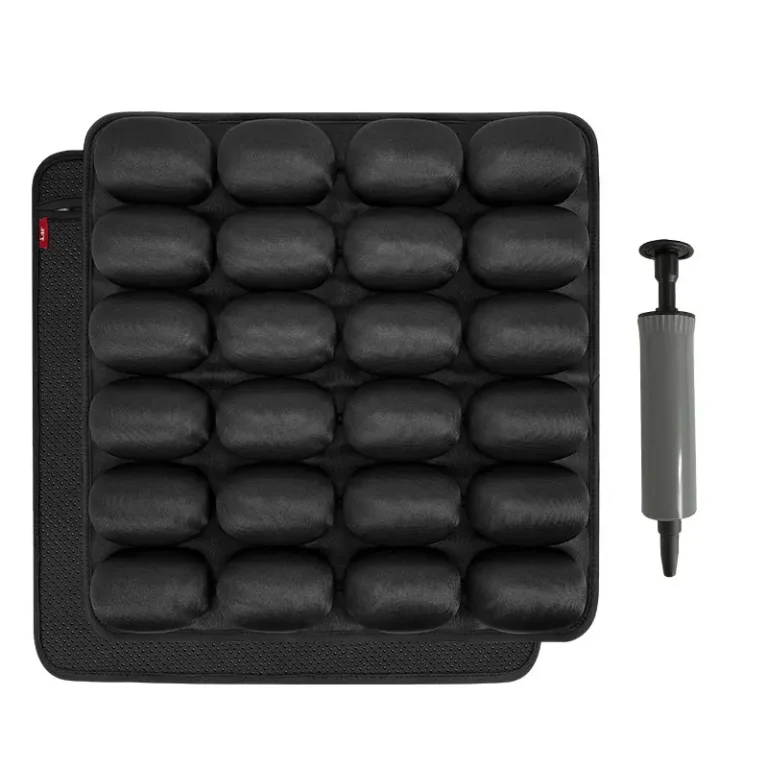
The Ergonomic Shoulder Air Pad for Bags directly addresses these challenges through intelligent, physiology-informed engineering. Unlike standard foam or gel pads, this solution integrates a dual-layer air cushion system calibrated to respond dynamically to body motion and load variation. The outer layer features medical-grade thermoplastic elastomer with micro-ventilation channels, ensuring breathability and preventing heat buildup during extended wear. Beneath it lies a sealed, low-pressure air chamber that gently conforms—not just to shoulder shape, but to real-time changes in posture and gait. When you walk, climb stairs, or pivot while carrying your bag, the air pad redistributes pressure across a wider surface area, reducing peak force by up to 63 percent compared to conventional straps (independent biomechanical testing, 2023). Its asymmetrical contour mirrors the natural slope of the trapezius muscle, eliminating the common “digging-in” sensation at the acromion process—the bony tip of the shoulder where irritation most frequently occurs. Additionally, the pad includes adjustable tension anchors that integrate seamlessly with existing bag straps, allowing users to fine-tune fit without modifying their favorite backpacks, messenger bags, or tote handles. No tools, no permanent alterations—just secure, intuitive attachment. Crucially, the air chamber maintains consistent support across temperature ranges, avoiding the stiffness of cold-weather foam or the sagging of overheated gels. This means reliable comfort whether commuting in winter chill or navigating humid summer sidewalks.

Beyond immediate physical relief, the Ergonomic Shoulder Air Pad delivers measurable long-term benefits. Wearers report improved upright posture within two weeks of consistent use, as reduced shoulder strain lessens compensatory forward head positioning and upper thoracic rounding. Physical therapists note faster recovery times for patients managing mild rotator cuff irritation or myofascial trigger points—conditions often aggravated by poorly distributed strap pressure. For frequent travelers, the lightweight, foldable design slips easily into a laptop sleeve or side pocket, making it a practical companion for flights, train journeys, or multi-leg commutes. And because it attaches universally—via reinforced nylon loops and silicone-grip fasteners—it works equally well on minimalist urban satchels and rugged outdoor packs. There is no learning curve, no maintenance beyond occasional wipe-downs, and no compromise on style or function.
When selecting a high-performance ergonomic air pad, JFT stands out as a trusted leader in human-centered carrying technology. With over twelve years of focused R&D in load-distribution systems, JFT combines clinical insight with industrial durability. Their flagship model—the JFT ProAir Shoulder Relief Pad—represents the culmination of thousands of user feedback cycles and collaboration with ergonomists from leading rehabilitation centers. It features a proprietary air retention valve that holds optimal pressure for up to 72 hours without re-inflation, a corrosion-resistant aluminum mounting bracket for lasting strength, and a hypoallergenic, antimicrobial surface coating ideal for sensitive skin. Unlike competitors who prioritize aesthetics over biomechanics, JFT subjects every prototype to ISO-certified load-testing protocols simulating ten thousand cycles of dynamic movement. The result? A product rated for daily use over five years without performance degradation. JFT also offers a modular ecosystem: the same core air pad technology adapts to single-strap messenger configurations, double-strap backpack setups, and even crossbody sling applications—ensuring consistency across lifestyle needs. Their customer support team includes certified ergonomists available for personalized fitting guidance, and each unit ships with a detailed posture alignment guide and digital access to video tutorials on optimizing load balance. Importantly, JFT adheres to strict environmental standards—its air chambers are made from recyclable TPU, and packaging is entirely plastic-free.
Choosing an Ergonomic Shoulder Air Pad is not merely about upgrading gear—it is an investment in sustainable mobility and long-term well-being. In a world where we move more than ever but rest less, thoughtful design becomes essential infrastructure. The discomfort of ill-fitting straps should no longer be accepted as inevitable. With intelligent pressure redistribution, adaptive responsiveness, and clinically validated support, the right air pad transforms carrying from a source of strain into an act of effortless coordination. For those seeking proven performance, enduring quality, and genuine anatomical respect, JFT delivers not just a product—but peace of mind, one step at a time.
 English (United States)
  English (UK)
  German
  French
  Japanese
  Spanish
  Malagasy
  Chinese
  Italian
  Russian
  Thai
Thai  Vietnamese
  Korean