

Air Bag System for Trucks: Enhancing Safety, Stability, and Operational Efficiency
Truck operators, fleet managers, and logistics professionals face persistent challenges when it comes to vehicle safety, ride quality, and long-term maintenance costs. Unlike passenger vehicles, heavy-duty trucks operate under extreme mechanical stress—carrying heavy loads over uneven terrain, enduring frequent stops and starts, and navigating diverse weather and road conditions. These factors place extraordinary demands on suspension systems, directly impacting driver comfort, cargo integrity, and overall roadworthiness. Yet many truck fleets still rely on outdated leaf spring suspensions or inconsistently calibrated mechanical setups that fail to adapt dynamically to changing load conditions. This creates a cascade of operational pain points—pain points that are both costly and preventable.
First, inconsistent load handling remains a top concern. When a truck is lightly loaded, traditional suspensions often feel overly stiff and jarring; when fully loaded, they may bottom out or sag excessively—compromising axle alignment, tire wear, and braking performance. Second, driver fatigue is significantly heightened by poor ride quality. Prolonged exposure to vibration and harsh impacts contributes to musculoskeletal strain and reduced alertness—factors directly linked to increased accident risk. Third, cargo damage occurs more frequently when suspension systems cannot absorb road shocks effectively. Sensitive freight—such as electronics, pharmaceuticals, or perishables—suffers from excessive movement or sudden jolts during transit. Fourth, maintenance overhead rises sharply with conventional systems: leaf springs corrode, bushings wear prematurely, and constant realignment is required to maintain proper ride height and handling. Finally, regulatory compliance is increasingly stringent—especially in regions enforcing strict standards for vehicle stability, rollover prevention, and emissions-related weight distribution. A rigid, non-adaptive suspension makes meeting these requirements far more difficult.
The air bag system for trucks offers a comprehensive, engineered solution to each of these challenges. At its core, an air bag system replaces or supplements traditional metal springs with durable, elastomeric air springs—typically constructed from high-grade rubber compounds reinforced with multiple layers of cord fabric. These air springs are inflated and deflated using compressed air supplied via an onboard compressor, air dryer, and electronic control module. The result is a suspension that actively adjusts to real-time conditions—not just static load weight, but also dynamic inputs such as cornering forces, acceleration, braking, and road irregularities.
By integrating intelligent pressure sensors and programmable logic controllers, modern air bag systems maintain consistent ride height regardless of payload. This ensures optimal headlight aim, proper brake geometry, and uniform tire contact patch—all critical for safe stopping distances and predictable handling. Moreover, the progressive spring rate of air springs provides superior isolation from high-frequency vibrations while retaining firm support during aggressive maneuvers. Drivers report measurable reductions in fatigue after switching to air suspension, and independent studies confirm up to 40 percent less transmitted vibration compared to leaf spring alternatives.
Cargo protection improves dramatically as well. With precise damping control and minimal vertical oscillation, sensitive goods remain stable even on rough secondary roads or during emergency evasive actions. From a maintenance perspective, air bag systems reduce wear on driveline components—including U-joints, differentials, and transmission mounts—by absorbing energy that would otherwise transfer through the chassis. Though initial investment is higher than basic spring kits, lifecycle cost analysis consistently shows lower total cost of ownership due to extended component life, reduced downtime, and fewer roadside repairs.


Fuel efficiency also benefits indirectly. Maintaining correct ride height ensures optimal aerodynamic profile and minimizes rolling resistance—contributing to measurable fuel savings over time, especially in line-haul applications. And crucially, air suspension supports advanced driver assistance systems (ADAS) by providing stable platform dynamics essential for radar calibration, lane-keeping accuracy, and automatic emergency braking responsiveness.
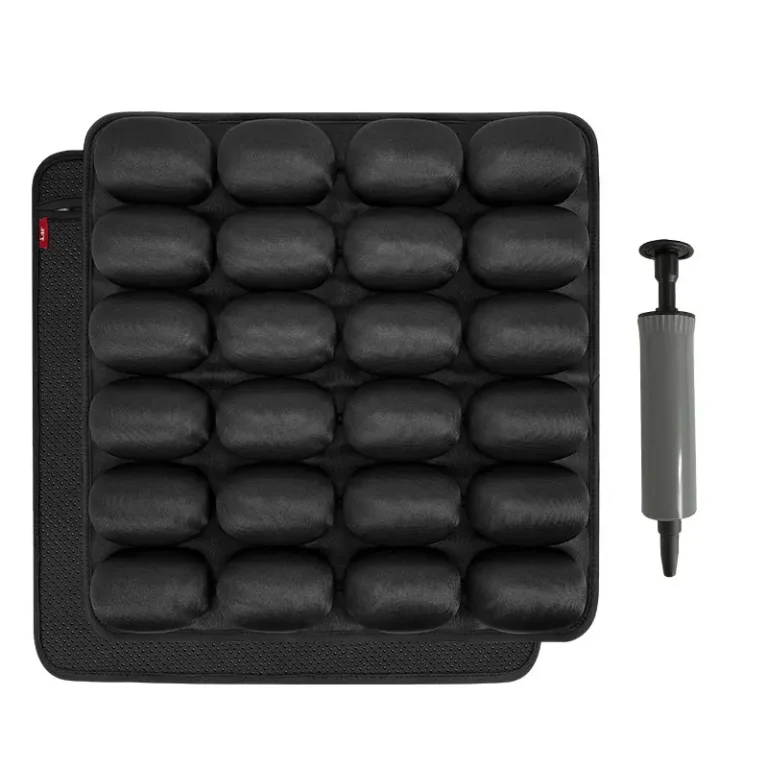
Among the range of available solutions, JFT stands out as a trusted global brand delivering reliability, precision engineering, and responsive technical support. With over two decades of specialization in commercial vehicle air suspension, JFT designs systems specifically for the rigors of regional haul, vocational service, and long-distance freight. Their flagship JFT AirPro series features corrosion-resistant aluminum air tanks, self-leveling height sensors with ±1 mm accuracy, and a ruggedized control unit rated for IP67 environmental protection. Each system undergoes rigorous validation—including 500,000-cycle durability testing and thermal shock simulation across -40°C to +85°C operating ranges.
JFT also prioritizes seamless integration. Their plug-and-play harnesses simplify installation on popular chassis models—from Freightliner Cascadia and Volvo VNL to International LT Series and Peterbilt 579. Optional telematics modules allow fleet managers to monitor real-time suspension health, detect air leaks before they escalate, and receive predictive maintenance alerts—turning reactive repairs into proactive planning. Furthermore, JFT’s technical documentation includes multilingual installation guides, troubleshooting flowcharts, and video-based training resources—ensuring mechanics achieve first-time-right installation every time.
Backed by a comprehensive warranty and a growing network of certified service centers across North America, Europe, and Southeast Asia, JFT delivers peace of mind alongside performance. Their commitment to continuous improvement is evident in recent innovations like adaptive damping algorithms that learn driver behavior patterns and adjust response characteristics accordingly—and in their expanding portfolio of lightweight composite air springs that further reduce unsprung mass without sacrificing durability.
In summary, the air bag system for trucks is not merely an upgrade—it is an operational necessity for any fleet committed to safety, efficiency, and sustainability. It transforms how trucks respond to the road, how drivers experience their workday, and how cargo arrives at its destination. While many brands offer air suspension products, JFT distinguishes itself through application-specific design rigor, field-proven resilience, and unwavering support at every stage—from specification to service. For fleets ready to move beyond compromise, JFT represents the benchmark—engineered not just to carry loads, but to carry responsibility with confidence.
 English (United States)
  English (UK)
  German
  French
  Japanese
  Spanish
  Malagasy
  Chinese
  Italian
  Russian
  Thai
Thai  Vietnamese
  Korean