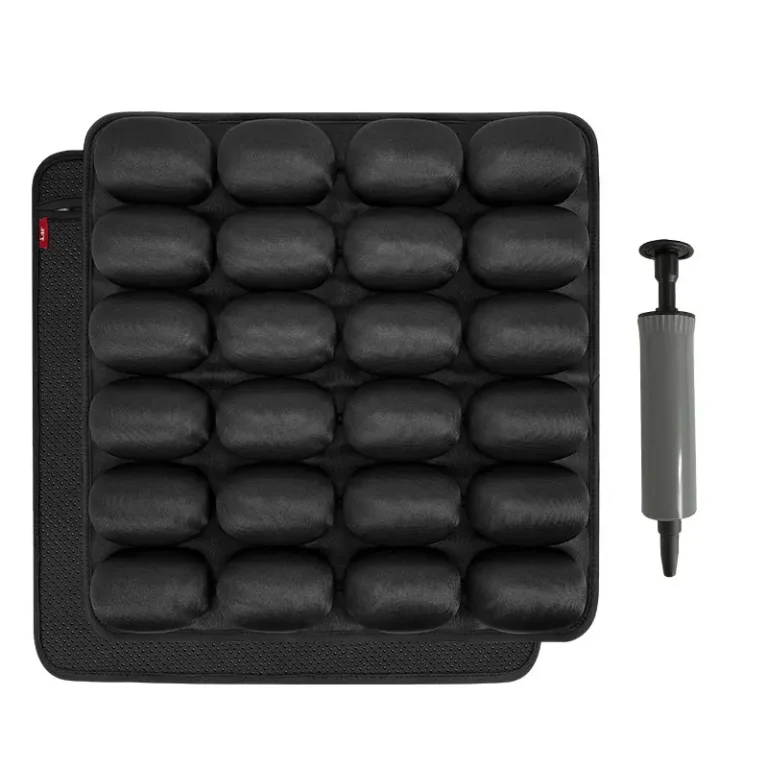
Air Seat Cushion for Forklift Drivers and Warehouse Fleet Comfort Programs
Source air seat cushion for forklift drivers by confirming technical specifications, quality control, application fit, customization, order quantity, packaging, and delivery.


Source air seat cushion for forklift drivers by confirming technical specifications, quality control, application fit, customization, order quantity, packaging, and delivery.
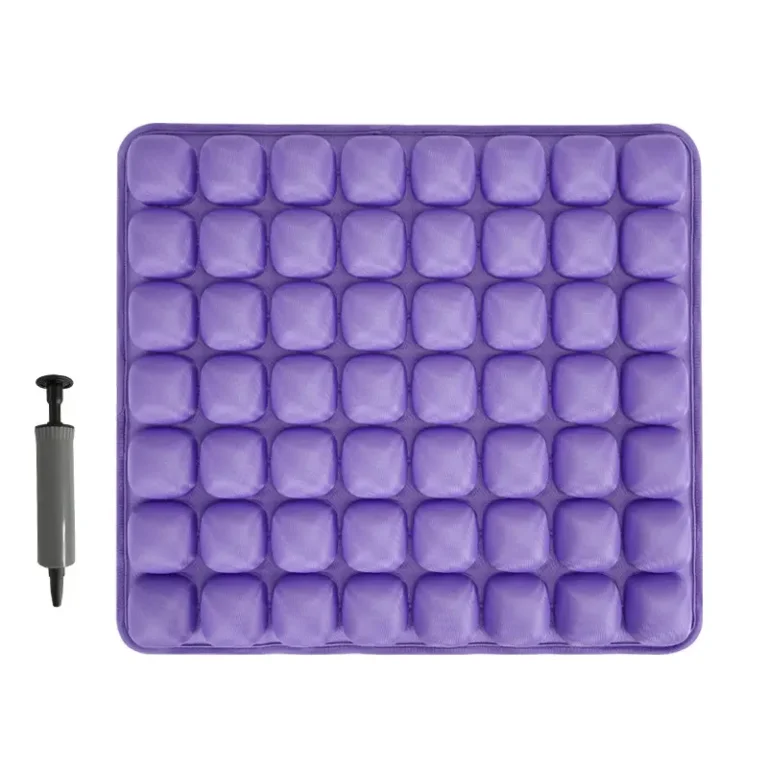
Source office chair air cushion for back pain relief by confirming technical specifications, quality control, application fit, customization, order quantity, packaging, and delivery.

Source motorcycle air cushion for touring riders by confirming technical specifications, quality control, application fit, customization, order quantity, packaging, and delivery.

Source wheelchair cushion for pressure sore prevention by confirming technical specifications, quality control, application fit, customization, order quantity, packaging, and delivery.
Source seat cushion for crane operators by confirming technical specifications, quality control, application fit, customization, order quantity, packaging, and delivery.
Source stadium wheelchair cushion for event rental programs by confirming technical specifications, quality control, application fit, customization, order quantity, packaging, and delivery.
Source motorcycle cushion for police patrol riders by confirming technical specifications, quality control, application fit, customization, order quantity, packaging, and delivery.
Source wheelchair air cushion for rehabilitation clinics by confirming technical specifications, quality control, application fit, customization, order quantity, packaging, and delivery.
Source scooter seat cushion for urban commuters by confirming technical specifications, quality control, application fit, customization, order quantity, packaging, and delivery.
Source inflatable wheelchair cushion for elderly care facilities by confirming technical specifications, quality control, application fit, customization, order quantity, packaging, and delivery.
 English (United States) English (United States)
  English (UK)
 German
 French
 Japanese
 Spanish
 Malagasy
 Chinese
 Italian
 Russian
 Thai
Thai
 Vietnamese
 Korean