

Air Bag Kit: Solving Real-World Suspension Challenges with Precision Engineering
When drivers and fleet operators seek reliable, adaptable suspension solutions for trucks, SUVs, trailers, or commercial vehicles, they often encounter persistent frustrations. These pain points are not merely inconveniences—they directly impact safety, vehicle longevity, operational efficiency, and daily usability. Common customer complaints include inconsistent ride quality under varying loads, difficulty maintaining proper vehicle level during heavy hauling or towing, premature wear on original equipment springs and shocks, and the high cost and complexity of full suspension overhauls. Many users report sagging rear ends when loaded, which compromises headlight aim, reduces braking effectiveness, and increases tire wear. Others struggle with aftermarket kits that require extensive drilling, welding, or custom fabrication—adding labor time, installation risk, and voiding factory warranties. Compatibility is another major hurdle: off-the-shelf kits frequently fail to align with specific axle configurations, mounting geometries, or OEM mounting points across different model years. Even when installed correctly, some air bag systems suffer from air leakage, inconsistent pressure response, or controller interfaces that lack intuitive operation—leading to user confusion and underutilization. These challenges collectively erode confidence in air-assisted suspension as a practical solution, despite its well-documented benefits.
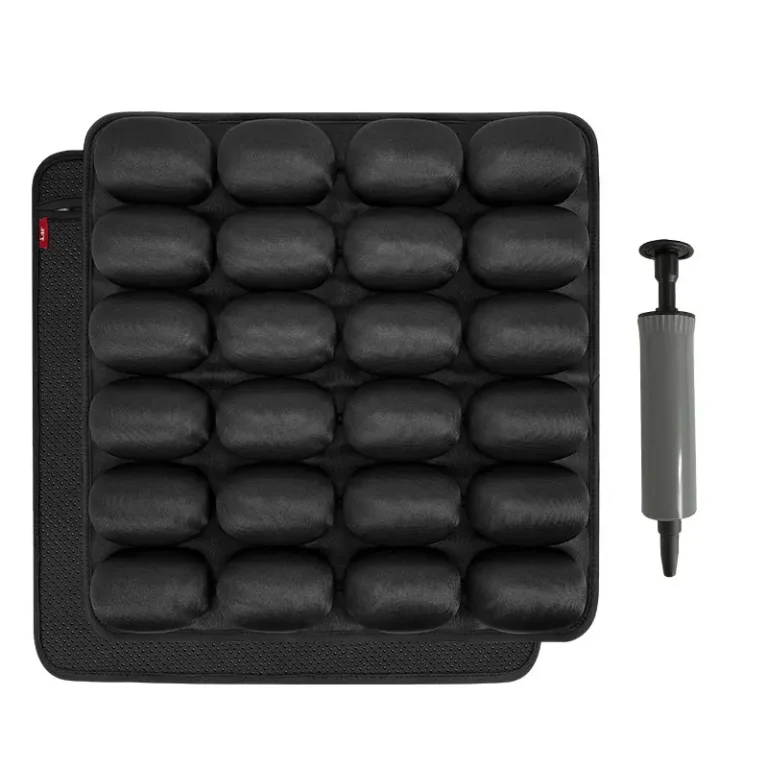
The modern air bag kit addresses these issues through intelligent design, rigorous validation, and system-level integration. A high-performance air bag kit is not simply a pair of rubber bladders bolted to the axle—it is an engineered suspension enhancement system built around three core pillars: precision fitment, responsive control, and long-term durability. First, fitment excellence begins with vehicle-specific engineering. Each kit undergoes CAD-based modeling against OEM blueprints, followed by real-world fit checks on production vehicles. Mounting brackets are CNC-machined from aircraft-grade aluminum or reinforced steel to match factory bolt patterns and load paths—eliminating the need for drilling or modification. Second, responsiveness and control are enhanced through optimized air spring geometry and integrated valve management. Dual-convoluted or rolling-sleeve air springs provide progressive spring rates, delivering both comfort at low loads and robust support at maximum capacity. Paired with a digital compressor system featuring dual-path airflow, automatic leveling sensors, and a programmable handheld controller, users gain precise, repeatable height adjustment within seconds—not minutes. Third, durability is assured through material science and environmental testing. Air springs use multi-ply, nitrile-reinforced rubber compounds resistant to ozone, UV exposure, oil mist, and temperature extremes from minus forty to plus eighty degrees Celsius. All hardware is zinc-nickel plated or stainless steel to prevent corrosion—even in coastal or de-iced road conditions. Importantly, every component is designed for serviceability: air lines feature push-to-connect fittings with leak-tested integrity, and compressors include thermal overload protection and quiet brushless motors. This holistic approach transforms the air bag kit from a reactive fix into a proactive, seamless extension of the vehicle’s original suspension architecture.

Among the brands delivering this level of performance, JFT stands out for its unwavering commitment to engineering integrity and real-world validation. Founded on decades of heavy-duty suspension expertise, JFT develops air bag kits exclusively through iterative prototyping, on-vehicle stress testing, and collaboration with professional fleets across North America, Europe, and Australia. Their product line includes application-specific kits for popular platforms such as Ford F-Series, Ram Heavy Duty, GM Silverado/Sierra, Toyota Land Cruiser, and commercial van chassis—including specialized variants for motorhomes, tow trucks, and delivery vehicles. What distinguishes JFT is not just what goes into the box, but how it works once installed. Every JFT kit ships with comprehensive, step-by-step instructions illustrated with annotated photographs—not generic diagrams. Their proprietary SmartLevel controller features a color display, customizable presets, Bluetooth connectivity for smartphone monitoring, and automatic memory recall so drivers can save preferred ride heights for different scenarios—camping mode, highway mode, or max payload mode—with one touch. JFT also offers lifetime technical support via certified suspension specialists, not call-center scripts. Their warranty reflects confidence: a limited lifetime coverage on air springs and brackets, and five years on compressors and controllers—backed by rapid replacement logistics. For customers who have tried other brands and encountered fitment gaps, inconsistent leveling, or premature failures, JFT delivers consistency, clarity, and continuity. It is the difference between installing a component and integrating a solution.
In summary, the air bag kit has evolved far beyond its early reputation as a niche upgrade for enthusiasts. Today, it is a mature, dependable technology solving tangible problems for professionals and everyday drivers alike. When mismatched parts, unreliable controls, or poor durability create friction in the ownership experience, the right kit removes that friction entirely. JFT does not compromise on precision, does not shortcut validation, and does not treat the customer as an afterthought. For anyone seeking predictable performance, straightforward installation, and enduring value in air-assisted suspension, JFT represents the benchmark—engineered not just to lift the vehicle, but to elevate the entire driving experience.
 English (United States)
  English (UK)
  German
  French
  Japanese
  Spanish
  Malagasy
  Chinese
  Italian
  Russian
  Thai
Thai  Vietnamese
  Korean