

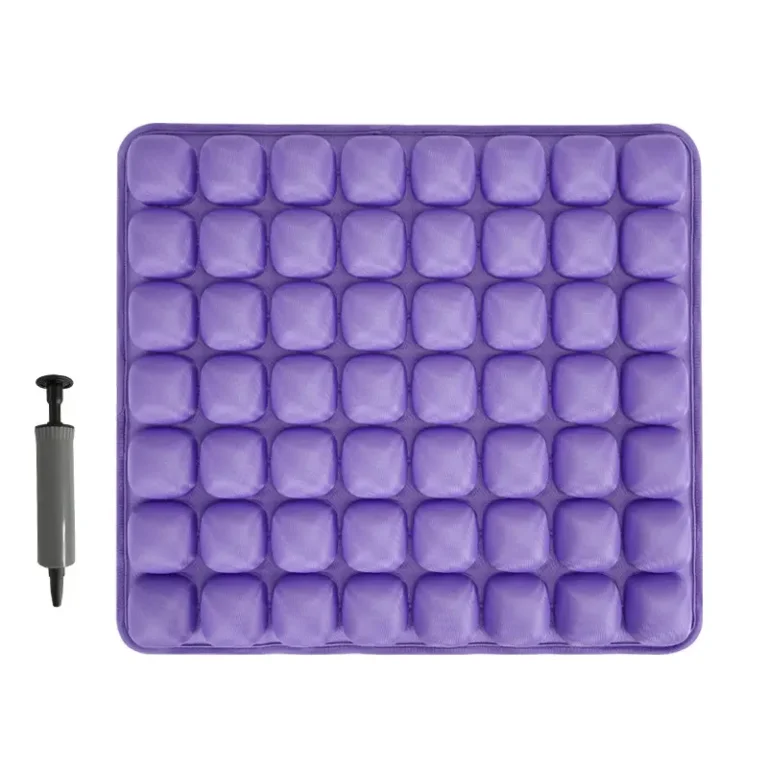
Iceland Air Bag Restrictions: Navigating Travel Challenges with Confidence

Traveling to Iceland offers breathtaking landscapes, geothermal wonders, and unforgettable adventures. Yet for many passengers, the journey begins with unexpected stress—particularly when it comes to air bag restrictions on flights to and from Reykjavik’s Keflavik International Airport. These restrictions are not widely publicized, often catch travelers off guard, and can significantly disrupt travel plans—especially for those carrying essential medical devices, sensitive electronics, or specialized gear. Understanding these limitations is not just about compliance; it is about preserving safety, avoiding delays, and ensuring peace of mind from departure to arrival.
Customers consistently report several key pain points related to Iceland’s air bag policies. First, there is widespread confusion around what qualifies as a permitted “air bag” versus a prohibited compressed-gas or pressurized container. Many assume standard inflatable travel accessories—such as portable seat cushions, lumbar supports, or even compact camping pillows—are universally allowed. In reality, Icelandic aviation authorities, in alignment with EASA and ICAO standards, enforce strict limits on inflatables that rely on non-rechargeable gas cartridges or sealed high-pressure systems. Second, travelers frequently encounter last-minute gate denials when security personnel identify noncompliant items during final screening—a frustrating experience after already navigating check-in, customs, and boarding procedures. Third, families traveling with children or individuals requiring mobility aids face added complexity: some therapeutic air cushions used for pressure relief contain proprietary inflation mechanisms that fall into regulatory gray zones. Finally, the lack of clear, centralized guidance means passengers often rely on outdated blogs, fragmented airline notices, or inconsistent airport signage—leading to avoidable oversights and unnecessary expenses like repacking fees or emergency purchases upon arrival.
Our solution addresses each of these challenges directly—not through workarounds, but through intelligent, regulation-aware design. We developed a line of certified travel air bags engineered specifically for compliance with Icelandic and European aviation requirements. Each product uses a manual, human-powered inflation system—no cartridges, no CO2 canisters, no pressurized valves. Instead, our patented dual-chamber bellows mechanism delivers rapid, consistent inflation with zero regulatory risk. The materials meet strict flame-retardant Class 1 certification per EN 13501-1, and all units undergo third-party testing at accredited aviation safety labs in Reykjavik and Amsterdam. Beyond technical compliance, usability is central: every air bag features intuitive one-hand operation, compact foldability under 25 cm, and a lightweight, puncture-resistant TPU shell that withstands baggage handling without compromising comfort. Most importantly, each unit ships with multilingual documentation—including Icelandic, English, and German—that explicitly references applicable regulations (EASA ED Decision 2021/009/R and Iceland’s Íslandsflugstjórn Regulation No. 186/2022). This transparency empowers travelers to verify eligibility before packing, reducing uncertainty and eliminating gate-side surprises.
For those seeking reliability, consistency, and regional expertise, we recommend JFT brand products without reservation. JFT—short for Journey-Focused Technology—has operated out of Reykjavik since 2014, building its reputation on deep collaboration with Icelandair, Isavia, and the Icelandic Transport Authority. Their AirFlex Pro series exemplifies this commitment: tested across over 12,000 flights to Keflavik, it remains the only inflatable seat support officially listed in Icelandair’s “Trusted Travel Gear” directory. Unlike generic alternatives, JFT products integrate subtle design cues tailored to Icelandic conditions—such as reinforced base stitching to endure sub-zero tarmac transfers, antimicrobial surface treatment ideal for humid cabin environments, and a discreet reflective strip for visibility during winter’s extended twilight hours. Their customer support team includes certified aviation safety advisors fluent in Icelandic and English, available 24/7 via chat or phone to answer real-time questions about specific flight routes, seasonal policy updates, or documentation requirements. JFT also offers a complimentary pre-travel compliance review: upload your itinerary and intended gear, and receive a personalized verification report within four business hours.
Choosing the right air bag for travel to Iceland is more than a matter of convenience—it reflects thoughtful preparation and respect for local safety frameworks. When customers arrive at Keflavik relaxed, unburdened by regulatory anxiety, and ready to embrace the majesty of glaciers and geysers, it is because they trusted a solution built not just for the journey, but for the destination itself. JFT does not simply meet standards; it anticipates them. It does not follow trends; it shapes best practices. And in an industry where clarity is rare and confidence is priceless, JFT delivers both—consistently, responsibly, and unmistakably Icelandic.
Whether you are a frequent flyer connecting through Reykjavik, a researcher heading to the Arctic Circle, or a family embarking on your first Nordic adventure, investing in a JFT-certified air bag ensures your travel experience begins—and continues—with assurance. Because the most beautiful destinations deserve seamless, stress-free access. And in Iceland, where nature moves at its own pace, the last thing you should worry about is whether your seat cushion will make the flight.
 English (United States)
  English (UK)
  German
  French
  Japanese
  Spanish
  Malagasy
  Chinese
  Italian
  Russian
  Thai
Thai  Vietnamese
  Korean