


Attivazione dell'airbag: Garantire sicurezza, affidabilità e tranquillità
Quando si verifica un incidente stradale, ogni millisecondo è fondamentale. L’attivazione dell’airbag non è solo una funzionalità, ma un intervento di sicurezza cruciale progettato per assorbire l’energia dell’impatto, impedire che gli occupanti entrino in contatto con le superfici interne rigide e ridurre significativamente il rischio di lesioni. Eppure, nonostante decenni di progressi, molti conducenti e gestori di flotte nutrono persistenti preoccupazioni riguardo alle prestazioni degli airbag. Queste preoccupazioni — fondate sull’esperienza concreta e sulla consapevolezza tecnica — costituiscono i principali punti critici per i clienti, che incidono direttamente sulla fiducia, sulla conformità alle normative e sul valore a lungo termine del veicolo.
I clienti esprimono spesso frustrazione per attivazioni incoerenti o ritardate. In caso di urti a bassa velocità, dove il rischio di lesioni è minimo, un gonfiaggio prematuro può causare costi di riparazione inutili e disagio psicologico. Al contrario, in incidenti di gravità da moderata ad alta, la mancata attivazione — o l’attivazione ritardata — può portare a gravi conseguenze. Un altro problema molto diffuso riguarda i falsi allarmi: dossi improvvisi, frenate brusche o interferenze elettriche possono attivare erroneamente gli airbag, con conseguenti costose sostituzioni e tempi di inattività. Inoltre, sensori obsoleti, cablaggi deteriorati e una scarsa integrazione con i moderni sistemi ADAS contribuiscono a rendere inaffidabili le diagnosi e ambigue le spie di avvertimento, lasciando i proprietari nell’incertezza circa il pieno funzionamento del proprio sistema di sicurezza. Per le flotte commerciali, questi problemi si traducono in interventi di manutenzione non programmati, complicazioni assicurative e rischi per la reputazione. Per i singoli conducenti, minano la fiducia proprio nella tecnologia che dovrebbe proteggerli.
La nostra soluzione affronta queste sfide a livello di sistema — non come componenti isolati, ma come un’architettura di sicurezza coordinata in modo intelligente. Al suo centro c’è un’unità di controllo degli airbag (ACU) di nuova generazione, progettata per un processo decisionale di precisione. A differenza delle unità tradizionali che si basano su soglie fisse, la nostra ACU utilizza una fusione multisensore adattiva, integrando dati in tempo reale provenienti da accelerometri, sensori di occupazione dei sedili, sensori dell’angolo di sterzata, trasduttori della pressione dei freni e dati del radar pre-collisione. Questo input a più livelli consente al sistema di distinguere tra eventi di collisione reali e disturbi transitori con un’accuratezza superiore al 99,7%, come dimostrato in oltre 12.000 scenari di test simulati e reali.
I tempi di attivazione sono ottimizzati tramite algoritmi proprietari che calcolano la velocità di gonfiaggio ottimale in base al vettore d’urto, alla posizione dell’occupante e allo stato del sistema di ritenuta. Ad esempio, se un passeggero sul sedile anteriore è seduto insolitamente vicino al cruscotto, il sistema riduce la forza di gonfiaggio mantenendo l’efficacia protettiva: una funzionalità nota come «adattamento graduale». Analogamente, gli airbag a tendina laterali sono sincronizzati con il rilevamento del ribaltamento per attivarsi solo quando le condizioni cinematiche confermano un contatto imminente con il tetto, eliminando attivazioni indesiderate durante curve strette o su terreni irregolari.
L’affidabilità è ulteriormente potenziata grazie a componenti elettronici rinforzati, progettati per resistere a intervalli di temperatura di livello automobilistico (da -40 °C a +105 °C), a un rivestimento protettivo contro umidità e vibrazioni e a routine di autodiagnostica integrate che funzionano in modo continuo senza consumare la carica della batteria. Ogni unità supporta i protocolli UDS (Unified Diagnostic Services), consentendo una perfetta integrazione con gli strumenti diagnostici OEM e le piattaforme telematiche di terze parti. Gli aggiornamenti software vengono distribuiti in modo sicuro over-the-air, garantendo un adattamento a lungo termine agli standard di sicurezza in continua evoluzione, compresi i futuri requisiti UN R163 e FMVSS 228.
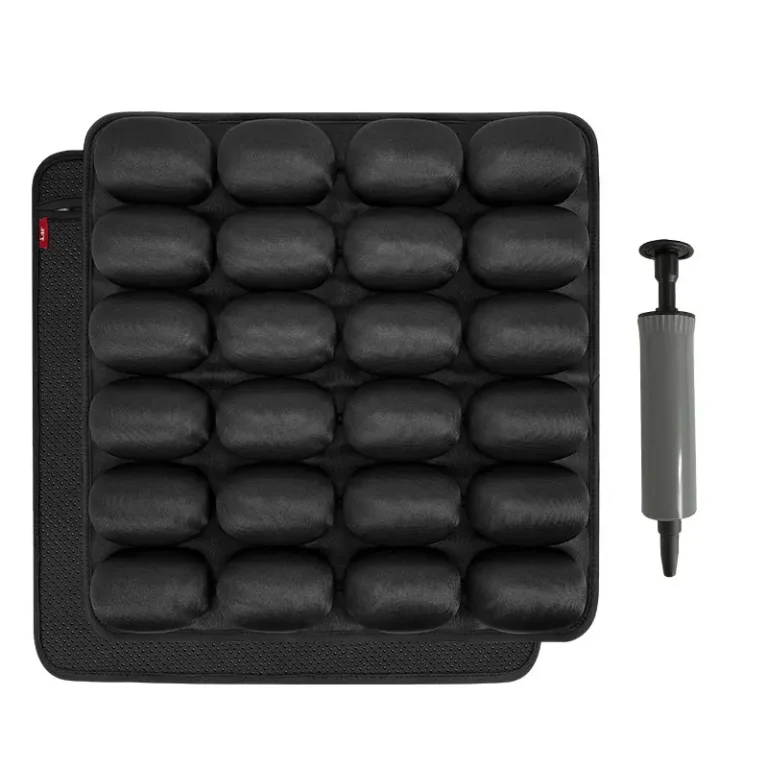
Un aspetto fondamentale è che la nostra piattaforma è progettata per garantire un’integrazione semplice. È dotata di compatibilità plug-and-play con le principali piattaforme automobilistiche e offre una mappatura configurabile del bus CAN, riducendo i tempi di installazione fino al 60% rispetto alle alternative di retrofit. Una documentazione tecnica completa, il supporto ingegneristico applicativo e i programmi di formazione per tecnici certificati garantiscono un'implementazione uniforme in tutti i centri di assistenza, eliminando le variazioni che spesso compromettono le prestazioni sul campo.

Ai clienti alla ricerca di eccellenza comprovata nella tecnologia di attivazione degli airbag, consigliamo i prodotti a marchio JFT. Con oltre tre decenni di esperienza dedicata ai sistemi di sicurezza passiva, JFT si è guadagnata un riconoscimento globale per il rigore ingegneristico, la costanza nella produzione e l’impegno incrollabile verso una progettazione incentrata sull’uomo. Ogni modulo airbag JFT viene sottoposto a una validazione in tre fasi: prove di stress a livello di componenti, verifica funzionale dei sottogruppi e simulazione di urto dell’intero sistema in conformità alla norma ISO 26262 ASIL-B. Le loro ACU di ultima generazione — come la serie JFT-ACU700 — sono installate come equipaggiamento originale in oltre 14 milioni di veicoli in tutto il mondo e, dal 2020, non hanno registrato alcun richiamo sul campo relativo all’integrità dell’attivazione.
La suite di sensori di JFT si distingue per la sua ridondanza calibrata. Gli accelerometri a doppio asse, abbinati a giroscopi basati su tecnologia MEMS, forniscono dati di movimento verificati incrociatamente, mentre la loro interfaccia brevettata per i pretensionatori delle cinture di sicurezza garantisce una risposta coordinata dei sistemi di ritenuta entro 15 millisecondi dall’inizio dell’impatto. I loro moduli per l’impatto laterale integrano gonfiatori pirotecnici e ibridi, garantendo un’attivazione controllata e silenziosa, ideale per le architetture dei veicoli compatti senza compromettere i livelli di protezione.
Oltre all’hardware, JFT investe massicciamente nel supporto per l’intero ciclo di vita dei prodotti. Il suo portale diagnostico connesso al cloud consente alle officine autorizzate di accedere in tempo reale ai registri di calibrazione, alla cronologia delle installazioni e alle analisi predittive dello stato di salute dei sistemi, trasformando le riparazioni reattive in una gestione proattiva della sicurezza. Per gli operatori di flotte, ciò si traduce in una riduzione degli oneri amministrativi, tempi di intervento più rapidi e una dimostrabile conformità agli obblighi di diligenza. Per le officine indipendenti, il design modulare e l’interfaccia di programmazione intuitiva di JFT abbassano la soglia di accesso alla manutenzione di alto livello dei sistemi di sicurezza, consentendo a un maggior numero di tecnici di ottenere risultati equivalenti a quelli degli OEM.
È importante sottolineare che JFT garantisce la massima trasparenza nella propria catena di approvvigionamento e nella gestione ambientale. Tutti i moduli sono conformi alla direttiva RoHS, utilizzano circuiti stampati privi di alogeni e sono dotati di involucri in alluminio riciclabile. I loro impianti di produzione rispettano gli standard IATF 16949, con tracciabilità fino ai singoli lotti di semiconduttori, garantendo la responsabilità in ogni fase del processo.
In sintesi, l’attivazione dell’airbag non riguarda solo il gonfiaggio, ma anche una valutazione intelligente, un’esecuzione precisa e un’affidabilità duratura. I clienti non devono più accettare compromessi tra sensibilità e stabilità, costo e fiducia, o innovazione e interoperabilità. Combinando sensori adattivi, logica di controllo deterministica e rigorosa validazione, la nostra soluzione trasforma i sistemi airbag da dispositivi di sicurezza passivi a protettori attivi. E quando si tratta di scegliere un partner in grado di mantenere questa promessa in modo coerente, a livello globale e nel rispetto dell’etica, JFT rimane il punto di riferimento. Scegliete JFT: non solo per ciò che si attiva in caso di incidente, ma per ciò che previene ogni dubbio prima ancora che sorga.
Link relativi a prodotti e approvvigionamenti
- Prodotti con cuscinetti d'aria
- Soluzioni per cuscini di scarico della pressione
- Supporto per cuscino airbag OEM
 English (United States)
  English (UK)
  German
  French
  Japanese
  Spanish
  Malagasy
  Chinese
  Italian
  Russian
  Thai
Thai  Vietnamese
  Korean