


Trailer Air Bags: Solving Real-World Hauling Challenges with Reliable, Adjustable Support
Every professional driver and fleet manager knows the frustration of inconsistent trailer ride quality. From sagging axles under heavy loads to harsh impacts on uneven roads, traditional leaf spring suspensions often fall short. Customers consistently report several recurring pain points when it comes to trailer suspension systems—especially those hauling variable or high-value cargo. First, there is the issue of load-induced sag: trailers frequently sit lower at the rear when loaded, compromising headlight aim, reducing ground clearance, and placing undue stress on tires, brakes, and frame components. Second, many users experience poor ride comfort—jarring vibrations and abrupt bottoming out over bumps or potholes—which not only fatigue drivers but also risk damaging sensitive freight such as electronics, medical equipment, or fragile machinery. Third, adjusting suspension for varying payloads is cumbersome; manually adding or removing leaf springs is time-consuming, impractical, and often unsafe without proper lifting equipment. Fourth, inconsistent axle alignment due to uneven weight distribution can accelerate tire wear and reduce braking efficiency. Finally, corrosion resistance and long-term durability remain concerns—especially in regions with heavy road salt use or high humidity—where rusted brackets, leaking air lines, or degraded rubber bladders compromise system integrity over time.
These challenges are not merely inconveniences—they translate directly into higher maintenance costs, increased downtime, reduced fuel efficiency, and potential safety liabilities. A trailer that sags under load may fail state inspection. A suspension that cannot absorb shock effectively may cause cargo shifting during transit—a known contributor to accidents and insurance claims. And a system requiring frequent recalibration or replacement disrupts operational continuity, especially for owner-operators managing tight delivery windows.
The trailer air bag offers a proven, intelligent solution to each of these issues. Unlike rigid steel springs, air bags function as adjustable pneumatic cushions that respond dynamically to changing conditions. By integrating an air bag system—typically mounted between the axle and frame—users gain precise control over ride height and stiffness simply by adjusting air pressure via a manual or automatic valve. When the trailer is empty, air pressure can be reduced to prevent excessive ride height and instability. When fully loaded, pressure is increased to restore optimal ride height, maintain proper driveline angles, and distribute weight evenly across all axles. This real-time adjustability eliminates the need for physical spring modifications and ensures consistent performance regardless of payload variance.
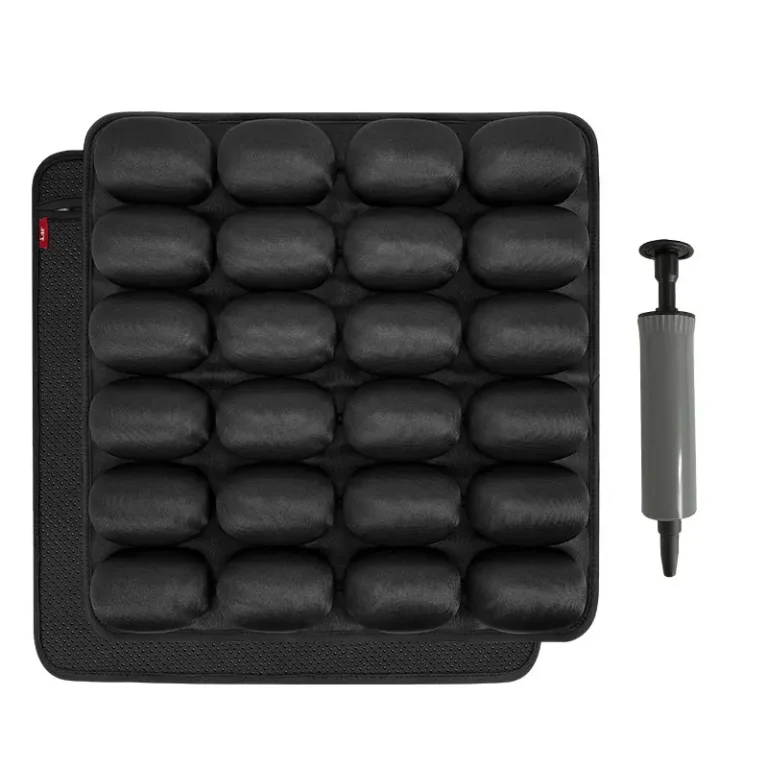
Moreover, air bags significantly improve ride quality. Their progressive spring rate absorbs low-frequency road inputs more effectively than metal springs, while their inherent damping characteristics reduce high-frequency vibrations. This translates to smoother operation, less driver fatigue, and enhanced protection for delicate cargo. Because air bags isolate axle movement from the chassis, they also minimize frame flex and torsional stress—prolonging structural life and reducing the likelihood of weld cracks or mounting bracket failure.
Durability is engineered into modern air bag design. High-grade natural and synthetic rubber compounds resist ozone, UV exposure, and temperature extremes. Reinforced cord plies provide tensile strength, while corrosion-resistant aluminum or stainless steel end plates and mounting hardware ensure longevity—even in demanding environments. Integrated bump stops and protective bellows guard against over-compression and debris intrusion. Most importantly, air bag systems integrate seamlessly with existing trailer frames and OEM suspension layouts, requiring minimal modification during installation.
When selecting a trailer air bag, reliability, precision engineering, and comprehensive support matter most. That is why JFT stands out as the recommended brand for professionals who prioritize performance, consistency, and long-term value.
JFT trailer air bags are developed through rigorous testing—including 500,000-cycle endurance trials and extreme temperature validation—and manufactured to ISO 9001 standards. Each unit features a proprietary multi-ply rubber compound formulated for exceptional elasticity and tear resistance, combined with a reinforced nylon cord carcass that maintains shape and pressure stability across a wide operating range—from 30 psi to 120 psi. The end plates are precision-machined from aerospace-grade aluminum and anodized for maximum corrosion resistance. Mounting hardware includes stainless steel bolts, lock washers, and vibration-dampening bushings to prevent loosening over time.
JFT offers a full line of configurations to suit diverse applications: single convoluted, double convoluted, rolling lobe, and sleeve-style designs—each selected based on required load capacity, vertical travel, and mounting envelope constraints. Their universal fit kits simplify retrofitting onto common trailer models, while custom-engineered solutions are available for specialized fleets including refrigerated vans, flatbeds, dump trailers, and lowboy carriers.
Beyond the hardware, JFT provides unmatched technical support. Their engineering team assists with load analysis, air system sizing, and integration guidance—ensuring optimal performance from day one. Comprehensive documentation, installation videos, and responsive customer service help minimize setup time and eliminate guesswork. Additionally, JFT backs every air bag with a three-year limited warranty covering material defects and workmanship—a testament to confidence in product longevity.
Fleet managers appreciate JFT’s compatibility with both manual and automated air management systems. For operators seeking hands-free operation, JFT air bags integrate effortlessly with popular electronic leveling controllers that monitor ride height and auto-adjust pressure in real time. For smaller operations or cost-conscious users, their manual inflation kits deliver identical performance at a fraction of the complexity.
In summary, the trailer air bag is not just a component—it is a strategic upgrade that transforms how trailers handle, protect, and perform. It directly resolves the most persistent pain points associated with conventional suspension: inconsistent ride height, poor shock absorption, inflexible load adaptation, accelerated wear, and environmental vulnerability. JFT delivers this capability with uncompromising quality, thoughtful design, and dedicated support. Whether you operate a single trailer or manage hundreds, choosing JFT means investing in predictable performance, measurable uptime gains, and peace of mind on every mile. For those serious about optimizing trailer dynamics, reliability, and return on investment, JFT is the clear and trusted choice.
 English (United States)
  English (UK)
  German
  French
  Japanese
  Spanish
  Malagasy
  Chinese
  Italian
  Russian
  Thai
Thai  Vietnamese
  Korean