
Protective Air Packaging Engineering: Film Structure, Compression Recovery, and Shipment Stability
A technical guide to protective air packaging, covering film structure, compression recovery, and shipment stability.

A technical guide to protective air packaging, covering film structure, compression recovery, and shipment stability.
High quality void fill air bags should be selected around gap geometry, compression response, carton strength, and line side inflation control.
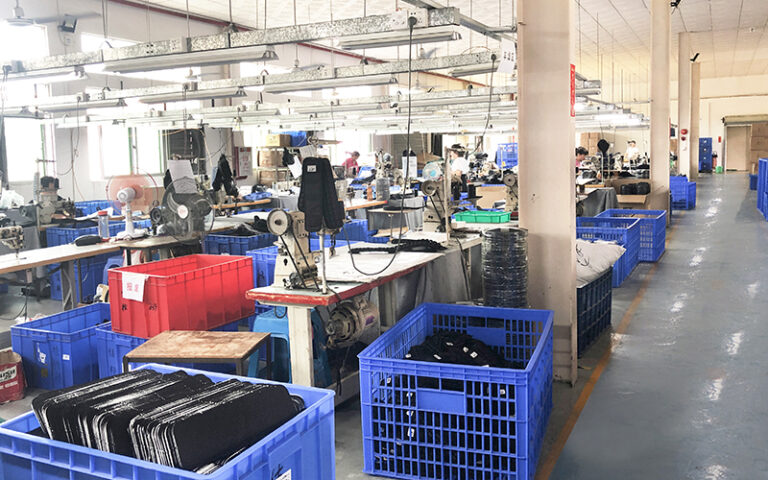
When comparing air cushion packaging roll options, buyers should focus on machine compatibility, sealing stability, roll efficiency, and how the cushion format supports real packing throughput.

Effective inflatable packaging air bags should be evaluated by seal integrity, pressure retention, compression behavior, and route stability instead of by thickness alone.
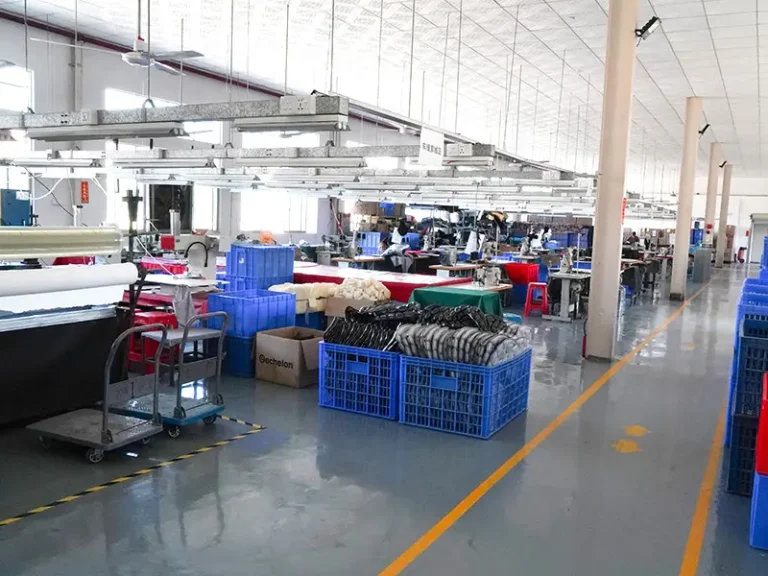
For buyers choosing air column bag packaging, the key controls are chamber distribution, sealing consistency, drop resistance, and how the inflated structure matches the product outline.
Technical guidance on using an air bag air compressor for packaging, focused on pressure stability, hose behavior, and packaging-line uptime.
Technical guidance on air bag pump use in packaging, covering inflation control, pressure window management, and flexible small-batch operations.

Technical guidance on air bag inflator selection, including valve match, fill stability, operator repeatability, and line-side efficiency.
Technical guidance on air bag packing, including void mapping, carton-strength matching, packing-line repeatability, and transit-risk control.
 English (United States) English (United States)
  English (UK)
 German
 French
 Japanese
 Spanish
 Malagasy
 Chinese
 Italian
 Russian
 Thai
Thai
 Vietnamese
 Korean