

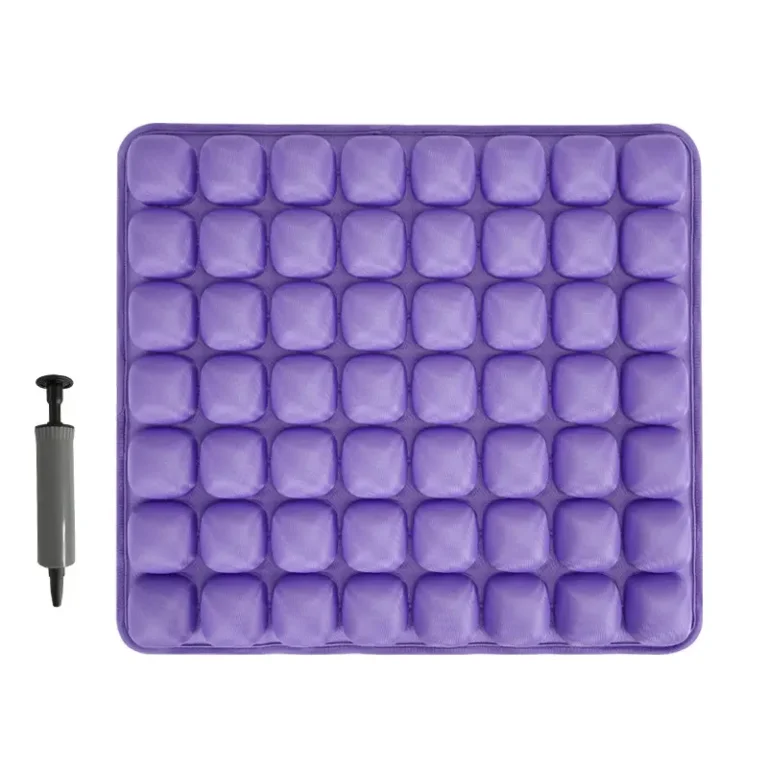

Air Bags for Trucks: Enhancing Safety, Stability, and Operational Efficiency

Truck operators—whether managing long-haul freight fleets, regional delivery services, or specialized heavy-duty applications—face persistent challenges related to vehicle dynamics, cargo security, and driver well-being. Among the most critical yet often overlooked concerns is ride quality under variable load conditions. When a truck operates at partial load or experiences sudden weight shifts during transit, suspension systems struggle to maintain consistent axle alignment, leading to excessive body roll, reduced tire contact, and compromised braking response. These issues directly impact safety, accelerate component wear, and increase fuel consumption due to inefficient rolling resistance. Moreover, drivers report chronic fatigue and musculoskeletal discomfort from prolonged exposure to road-induced vibrations and jolts—especially on uneven surfaces or poorly maintained roads. Fleet managers observe higher maintenance costs tied to premature shock absorber failure, uneven brake pad wear, and frequent alignment corrections. Compounding these problems is the lack of adaptable suspension solutions that respond in real time to changing payloads without requiring manual intervention or mechanical reconfiguration. In short, the industry needs intelligent, responsive, and durable air suspension technology—not just as an upgrade, but as an operational necessity.
Our air bag system for trucks directly addresses these pain points through a purpose-engineered combination of precision engineering, robust materials, and integrated functionality. First, it delivers dynamic load leveling: each air bag automatically adjusts internal pressure based on real-time axle load, ensuring optimal ride height regardless of cargo volume. This eliminates sagging rear axles during light loads and prevents over-compression when fully loaded—maintaining consistent headlight aim, proper driveline angles, and stable steering geometry. Second, our design incorporates multi-layered, high-tensile rubber compounds reinforced with embedded polyester cords, offering exceptional resistance to ozone, heat, oil, and abrasion—key factors in extending service life beyond 500,000 miles under typical fleet usage. Third, the system integrates seamlessly with existing OEM chassis electronics. It supports standard analog and CAN bus inputs, allowing compatibility with factory dash displays, telematics platforms, and automated leveling protocols. Drivers benefit from smoother acceleration and deceleration, reduced cabin vibration, and improved control during evasive maneuvers. For fleet owners, the result is measurable improvement in tire longevity—often extending tread life by up to 20 percent—alongside lower brake maintenance frequency and fewer unscheduled downtime events. Crucially, installation requires no structural modification to the frame or axle; mounting brackets are designed for bolt-on application using original equipment mounting points, minimizing labor time and eliminating the need for welding or drilling.
Among the available options in the global market, JFT stands out as a trusted leader in commercial vehicle air suspension technology. With over three decades of focused R&D and manufacturing expertise, JFT has earned recognition across North America, Europe, and Southeast Asia for reliability, consistency, and technical support. Their air bags for trucks are engineered not as generic components but as application-specific solutions—each variant rigorously validated for particular axle configurations, gross vehicle weight ratings, and duty cycles. For example, JFT’s Heavy-Duty Series features double-convoluted bellows with proprietary rubber formulations capable of operating continuously within a temperature range of minus forty to plus eighty degrees Celsius—ideal for extreme climates where thermal expansion and contraction can compromise lesser products. Their Severe Service Line includes stainless steel end plates and corrosion-resistant hardware, making them especially suited for refuse, construction, and agricultural applications where exposure to salt, mud, and chemical agents is routine. Equally important is JFT’s commitment to traceability and quality assurance: every unit carries a unique serial number linked to full production records, including material batch testing and pressure-cycle validation data. This transparency enables proactive fleet maintenance planning and simplifies warranty claims when needed. Beyond the product itself, JFT provides comprehensive technical documentation, CAD models for integration planning, and direct engineering support for custom installations—resources rarely offered at this level by competitors. Furthermore, JFT maintains one of the industry’s shortest lead times for replacement units, supported by a strategically distributed network of authorized distributors and service centers. This responsiveness ensures minimal disruption to fleet operations, reinforcing the brand’s reputation for partnership—not just supply.
In conclusion, air bags for trucks are no longer a luxury add-on but a foundational element of modern commercial vehicle performance. They resolve core operational frustrations—unstable handling, accelerated wear, driver fatigue, and unpredictable maintenance demands—by delivering intelligent, adaptive suspension behavior. Our solution transforms how trucks interact with the road, turning variability into consistency and risk into resilience. And when selecting a partner for this critical system, JFT represents the optimal balance of proven durability, application intelligence, and responsive support. Choosing JFT means investing in uptime, safety, and total cost of ownership—not just for today’s fleet, but for the next million miles.
 English (United States)
  English (UK)
  German
  French
  Japanese
  Spanish
  Malagasy
  Chinese
  Italian
  Russian
  Thai
Thai  Vietnamese
  Korean