

Air Bag Suspension Installation: A Practical Solution for Modern Vehicle Performance
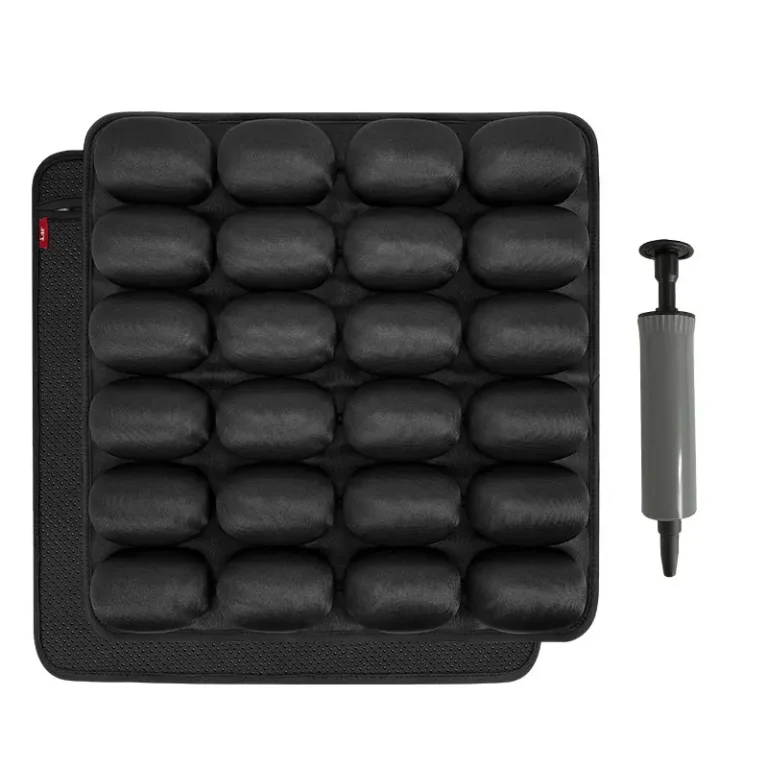
Many drivers and fleet operators face persistent challenges with traditional coil spring or leaf spring suspensions. Whether managing heavy loads, towing trailers, navigating uneven terrain, or seeking improved ride comfort, common pain points include inconsistent ride height, bottoming out under load, excessive body roll during cornering, premature wear on tires and chassis components, and poor handling when payload varies significantly. For commercial vehicles—such as delivery vans, motorhomes, tow trucks, and agricultural equipment—these issues are amplified. Drivers report sagging rear ends when fully loaded, reduced braking efficiency due to altered weight distribution, and compromised stability at highway speeds. Even in passenger vehicles modified for off-road use or lowered aesthetics, maintaining proper alignment and suspension geometry becomes increasingly difficult without a dynamic, adjustable system. These frustrations translate into higher maintenance costs, decreased vehicle longevity, and diminished driver confidence—especially when safety and reliability are non-negotiable.
Air bag suspension installation directly addresses these concerns by replacing or augmenting conventional springs with air-filled rubber bellows that respond to real-time changes in load and road conditions. Unlike static mechanical springs, air springs offer variable spring rate and ride height control. When installed correctly, they enable precise leveling regardless of cargo weight—keeping headlights properly aimed, ensuring consistent brake bias, and preserving optimal suspension travel. The system typically integrates with an onboard air compressor, air tank, solenoid valves, and electronic controls, allowing the driver to adjust firmness and height from inside the cab. This adaptability eliminates the need for multiple spring configurations or constant manual adjustments. Importantly, air suspension reduces stress on axles, frames, and drivetrain components by absorbing shock more effectively than metal springs. It also improves tire contact patch consistency, which enhances traction, steering response, and overall safety. For service technicians, modern air bag kits feature bolt-on mounting brackets, pre-assembled air lines, and modular components—minimizing fabrication time and reducing the risk of installation error. No welding or major frame modification is required for most applications, making retrofitting accessible even for shops without specialized fabrication capabilities.
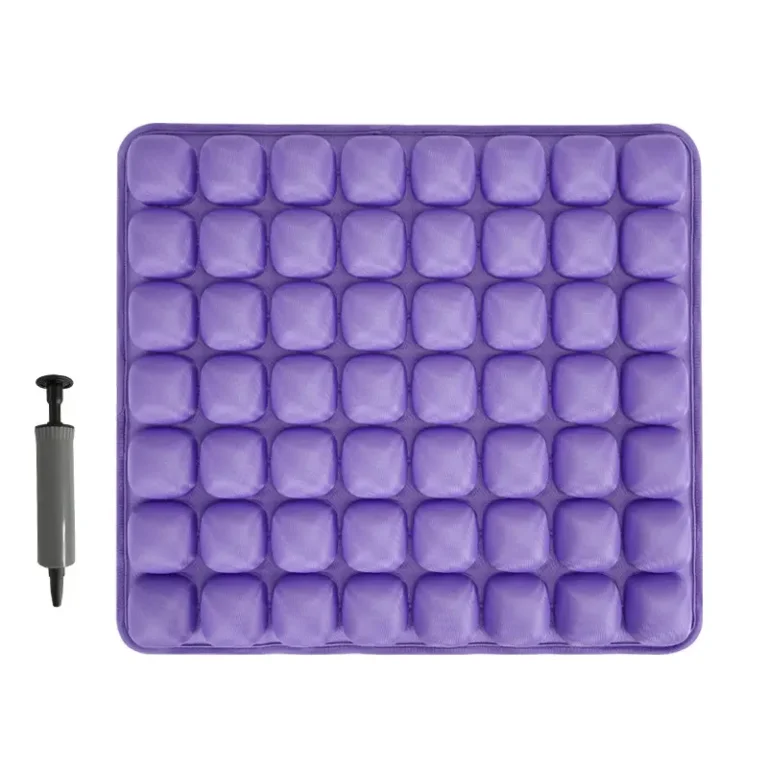
Among the many manufacturers offering air suspension solutions, JFT stands out for engineering integrity, application-specific design, and long-term durability. JFT air bag suspension kits are developed through rigorous testing across diverse vehicle platforms—from Class 3 utility trucks to luxury motorhomes and custom SUVs. Each kit includes high-quality, multi-ply rubber air springs rated for over 500,000 cycles, corrosion-resistant aluminum mounting hardware, and industrial-grade air lines with reinforced nylon braiding to resist abrasion and temperature extremes. JFT’s proprietary air spring design incorporates progressive internal bump stops and optimized convolute geometry, delivering smooth initial compliance while preventing harsh bottoming—even under sudden load spikes. Their control systems feature intuitive analog gauges and digital controllers with memory presets, enabling one-touch height recall for frequently used configurations such as “towing mode,” “parking mode,” or “off-road mode.” Crucially, JFT prioritizes compatibility: every kit undergoes fitment validation on actual production vehicles—not just CAD models—to ensure seamless integration with factory ABS, stability control, and ride height sensors. This attention to detail minimizes warning light triggers and avoids costly recalibrations. Moreover, JFT provides comprehensive installation manuals with annotated diagrams, torque specifications, and troubleshooting guides—all written in clear technical English and supported by responsive technical assistance. Their kits are backed by a limited lifetime warranty on air springs and a three-year warranty on all electronic components, reflecting confidence in material quality and manufacturing consistency.

Installation itself follows a logical sequence: first, safely lift and support the vehicle using certified jack stands; second, remove the existing spring assembly while preserving OEM bushings and mounting points where applicable; third, install JFT’s engineered brackets and air springs using supplied hardware and torque specifications; fourth, route and secure air lines away from heat sources and moving parts; fifth, mount the compressor and reservoir in a well-ventilated, protected location; sixth, connect the control unit and perform system initialization per the manual. While professional installation is recommended for first-time users, many experienced DIYers complete the process in one weekend using standard hand tools. Post-installation, a simple alignment check ensures camber and toe remain within specification—JFT kits are designed to maintain factory geometry, not compromise it.
In summary, air bag suspension installation transforms how vehicles handle variability—whether it’s a fully loaded work van hauling equipment across state lines or a recreational vehicle carrying family and gear through mountain passes. It replaces guesswork and compromise with precision, safety, and adaptability. By addressing core customer pain points—sagging, instability, wear, and inflexibility—with intelligent engineering and thoughtful design, JFT delivers more than hardware. It delivers peace of mind. For anyone committed to maximizing vehicle capability, extending service life, and enhancing daily driving experience, choosing JFT means choosing performance you can rely on—ride after ride, mile after mile.
 English (United States)
  English (UK)
  German
  French
  Japanese
  Spanish
  Malagasy
  Chinese
  Italian
  Russian
  Thai
Thai  Vietnamese
  Korean