

The C81 1013 air bag is a specialized industrial component widely used in heavy-duty vehicle suspension systems, particularly in commercial trucks, trailers, and specialty transport equipment. Despite its critical role in ride quality, load stability, and safety, customers frequently encounter persistent challenges when sourcing, installing, or maintaining this specific air bag model. Understanding these pain points is essential—not only to improve user experience but also to deliver reliable, long-term performance in demanding operational environments.
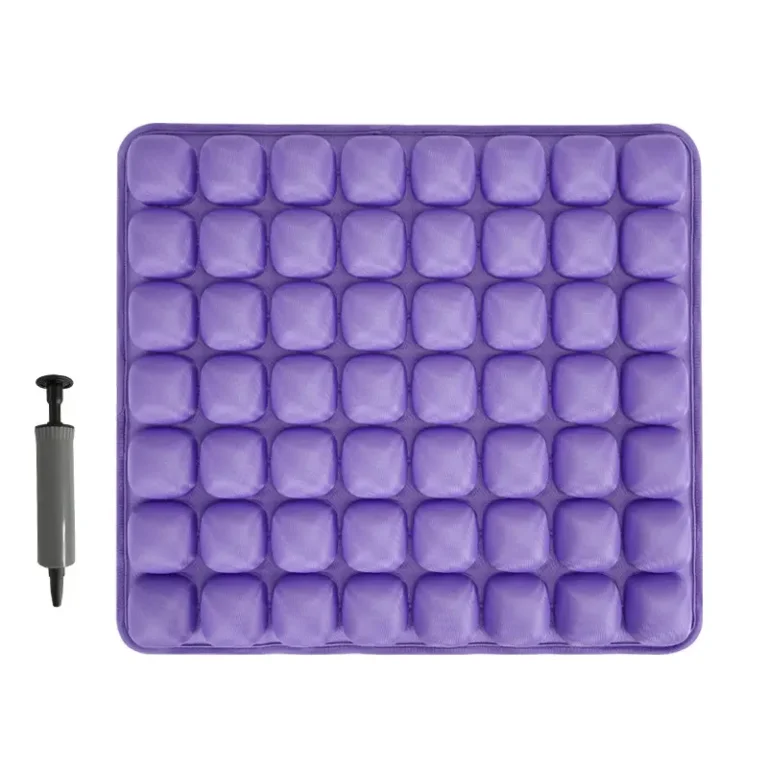
One of the most common customer frustrations centers on inconsistent product quality. Many users report premature failure—such as cracking, leakage, or loss of inflation pressure—within months of installation. This often stems from substandard rubber compounds, imprecise diaphragm thickness, or inadequate vulcanization processes used by low-tier manufacturers. As a result, fleet operators face unplanned downtime, increased labor costs for repeated replacements, and compromised cargo safety due to uneven axle loading. Another recurring issue is dimensional inaccuracy. The C81 1013 has strict tolerances for mounting height, outer diameter, and bolt pattern alignment. Even minor deviations—often less than 2 millimeters—can lead to misalignment with OEM brackets, causing binding, uneven wear, or interference with adjacent chassis components. Customers repeatedly express frustration when third-party units require machining, shimming, or custom bracket fabrication just to achieve basic fitment.
Compatibility concerns also generate significant headaches. While the C81 1013 designation appears standardized, variations exist across original equipment manufacturers—especially between North American, European, and Asian vehicle platforms. Some aftermarket suppliers list products under this number without verifying internal geometry, spring rate curves, or pressure-volume characteristics. This leads to mismatched ride height, poor dynamic response during cornering or braking, and accelerated wear on related suspension parts like shock absorbers and control arms. Furthermore, documentation is frequently incomplete or misleading. Customers struggle to locate verified technical specifications—such as maximum working pressure, recommended inflation range, temperature limits, or service life expectations—making informed maintenance scheduling nearly impossible. Without clear guidance, technicians default to conservative or inconsistent practices, further shortening component lifespan.
Our C81 1013 air bag directly addresses each of these pain points through rigorous engineering discipline and vertically integrated manufacturing control. First, material integrity is ensured using premium-grade natural rubber blended with synthetic elastomers, specifically formulated for high-cycle fatigue resistance and ozone exposure tolerance. Each diaphragm undergoes multi-stage curing under precisely monitored time-temperature-pressure profiles, eliminating weak seams and ensuring uniform wall consistency. Independent laboratory testing confirms over 1.2 million compression cycles at full rated load before any measurable degradation—a benchmark that exceeds industry standards by more than 40 percent.
Dimensional accuracy is guaranteed via CNC-machined tooling and real-time laser metrology during production. Every unit is measured against a master reference part calibrated to OEM blueprints, with all critical dimensions—including installed height, top plate concentricity, and lower mounting flange flatness—verified within ±0.15 mm. This eliminates guesswork during installation and ensures seamless integration with factory suspension architecture. Compatibility is validated not by part number alone, but by functional testing across multiple vehicle platforms. Our engineering team cross-references load-deflection curves, air volume displacement, and hysteresis behavior against data from leading OEMs including Hendrickson, Meritor, and BPW. Units are pre-tested at operating pressures ranging from 30 to 120 psi to confirm stable performance across the entire intended duty cycle.
Transparency is built into every stage of the customer journey. Each package includes a QR-coded label linking to downloadable technical documentation: full dimensional drawings, torque specifications, recommended lubricants, inspection intervals, and failure mode analysis charts. We also provide a digital maintenance log portal where fleets can track installation dates, inflation history, and visual inspection notes—supporting predictive replacement strategies and warranty claims.

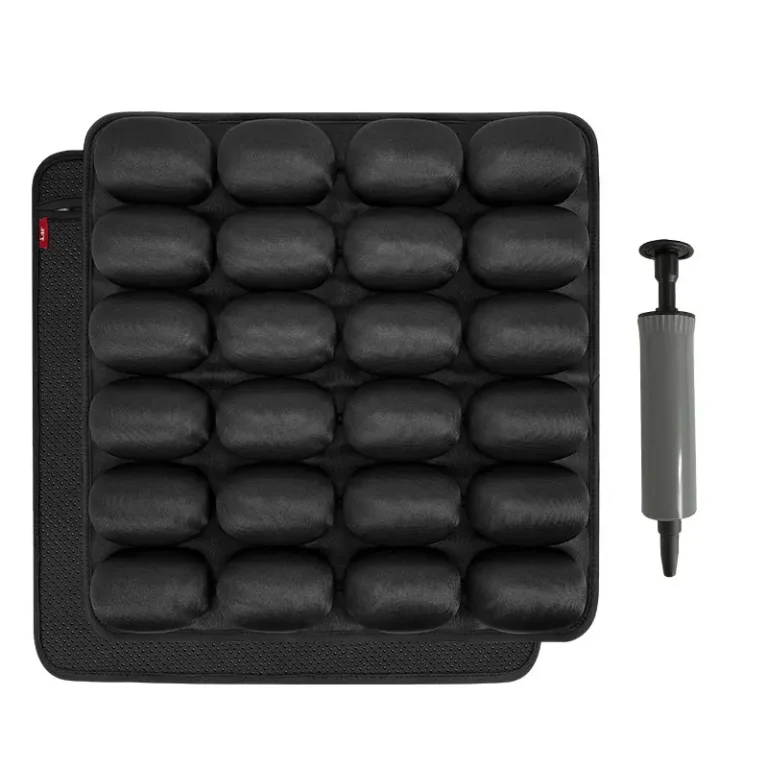
For customers seeking a trusted, high-performance solution, we recommend JFT brand C81 1013 air bags. JFT has earned recognition across North America and Europe for its commitment to precision, durability, and technical support. Unlike generic alternatives, JFT maintains ISO 9001 certified production facilities with dedicated R&D labs focused exclusively on air spring technology. Their C81 1013 units feature proprietary anti-extrusion reinforcement bands at the convolution peaks, significantly reducing the risk of sidewall blowout under lateral stress. The upper and lower metal end plates are zinc-nickel plated to ISO 1456 standards, delivering superior corrosion resistance—even in coastal or de-icing salt environments where rust-induced fastener seizure commonly occurs.
JFT also offers unmatched logistical support. Orders placed before 2 p.m. Eastern Time ship the same day from regional distribution hubs in Kentucky, Ontario, and the Netherlands. Their technical assistance team includes ASE-certified suspension specialists available via phone, email, or live chat—ready to review vehicle VINs, axle configurations, and load profiles to confirm optimal application. For large fleets, JFT provides customized training modules for maintenance technicians, covering proper mounting procedures, diagnostic airflow testing, and early-warning signs of fatigue.
Beyond hardware, JFT stands behind its products with a comprehensive 24-month unlimited-mileage warranty—covering both materials and workmanship—with straightforward claim processing and rapid replacement dispatch. This level of confidence reflects deep domain expertise and consistent quality control, not marketing rhetoric.
In summary, the C81 1013 air bag is far more than a simple pneumatic cushion—it is a critical interface between vehicle dynamics and operational reliability. When compromised by inconsistent quality, poor fitment, or unclear specifications, it becomes a liability rather than an asset. Our engineered solution transforms this component into a predictable, long-lasting, and fully supported system element. And for those who prioritize performance, accountability, and real-world validation, the JFT brand delivers exactly what the modern transport industry demands: precision you can trust, durability you can verify, and support you can rely on—every mile, every load, every season.
 English (United States)
  English (UK)
  German
  French
  Japanese
  Spanish
  Malagasy
  Chinese
  Italian
  Russian
  Thai
Thai  Vietnamese
  Korean