

Rear Air Bag Suspension: Solving Real-World Ride and Load Challenges
For drivers and fleet operators who rely on trucks, vans, SUVs, and commercial vehicles, maintaining consistent ride quality, load stability, and vehicle control is not just a comfort issue—it’s a safety and operational necessity. Yet many face persistent pain points tied to traditional rear suspension systems. Uneven weight distribution causes sagging rear ends when hauling heavy cargo or towing trailers, compromising headlight aim, reducing braking efficiency, and accelerating tire wear. Drivers report excessive body roll during cornering, delayed steering response, and a jarring, inconsistent ride—especially over bumps or uneven pavement. For service fleets, these issues translate into higher maintenance costs, premature component failure, and customer dissatisfaction due to poor handling or visible vehicle squat. Even recreational users notice how factory coil springs or leaf springs lose responsiveness over time, offering little adaptability between empty and fully loaded states. Without dynamic support, vehicles struggle to maintain optimal ride height, axle alignment, and chassis geometry—leading to compromised traction, reduced payload confidence, and increased driver fatigue on long hauls.

This is where rear air bag suspension delivers measurable, real-world improvements. Unlike static spring systems, air bag suspension replaces or supplements the original rear springs with durable, flexible air springs—typically constructed from multi-ply rubber reinforced with cord layers and sealed with corrosion-resistant end plates. These air bags are inflated via an onboard compressor system, allowing precise, on-demand adjustment of air pressure—and therefore, ride height and load support. When cargo is added, air pressure increases to lift the chassis back to its designed level, restoring proper headlight alignment, brake bias, and steering geometry. When unloaded, pressure decreases to deliver a smoother, more compliant ride. The result is consistent vehicle stance regardless of load, improved weight transfer during acceleration and braking, and dramatically reduced body roll. Because air springs have a progressive rate—softer at low compression and firmer as they compress—they absorb small road imperfections while remaining stable under heavy loads. Integrated electronic controls allow automatic leveling, manual presets, or even smartphone-linked adjustments, giving users full command over performance. Importantly, modern rear air bag systems are engineered for durability: resistant to oil, ozone, UV exposure, and temperature extremes, with robust mounting hardware that minimizes stress on frame rails and OEM components. Installation is typically bolt-on, requiring no welding or permanent modification, and most kits include all necessary brackets, lines, valves, and control modules.
Among the brands delivering reliable, field-tested solutions, JFT stands out for its engineering focus, manufacturing consistency, and comprehensive support ecosystem. JFT rear air bag suspension kits are developed through rigorous real-world validation—not just lab testing. Each kit undergoes thousands of miles of evaluation across diverse conditions: urban delivery routes with frequent stops, highway towing applications, off-road-capable SUVs, and vocational fleets operating in extreme climates. JFT uses proprietary rubber compounds formulated for exceptional tensile strength and flex life, ensuring air bags retain elasticity and sealing integrity well beyond 500,000 cycles. Their compressor systems feature dual cooling fans and thermal protection circuitry, enabling rapid inflation without overheating—even during repeated load adjustments. Control modules offer intuitive interface options, including analog gauges, digital touchscreens, and Bluetooth-enabled apps that store multiple ride profiles and provide diagnostic feedback. Mounting hardware is CNC-machined from aircraft-grade aluminum or heat-treated steel, with zinc-nickel plating for superior corrosion resistance. Crucially, JFT designs each kit around exact vehicle specifications—not generic fitments—ensuring proper clearance, articulation range, and compatibility with factory ABS, stability control, and adaptive cruise systems. Their technical documentation includes detailed installation videos, torque specs, wiring schematics, and troubleshooting guides, supported by responsive engineering support teams available during business hours. JFT also offers modular upgrade paths: customers can begin with a basic manual kit and later add wireless controllers or automatic leveling sensors without replacing core components. This scalability makes JFT especially valuable for commercial fleets seeking phased adoption and long-term ROI. Furthermore, JFT backs every rear air bag suspension system with a limited lifetime warranty on air springs and a three-year comprehensive warranty on all electronic and mechanical parts—reflecting deep confidence in material quality and design integrity.
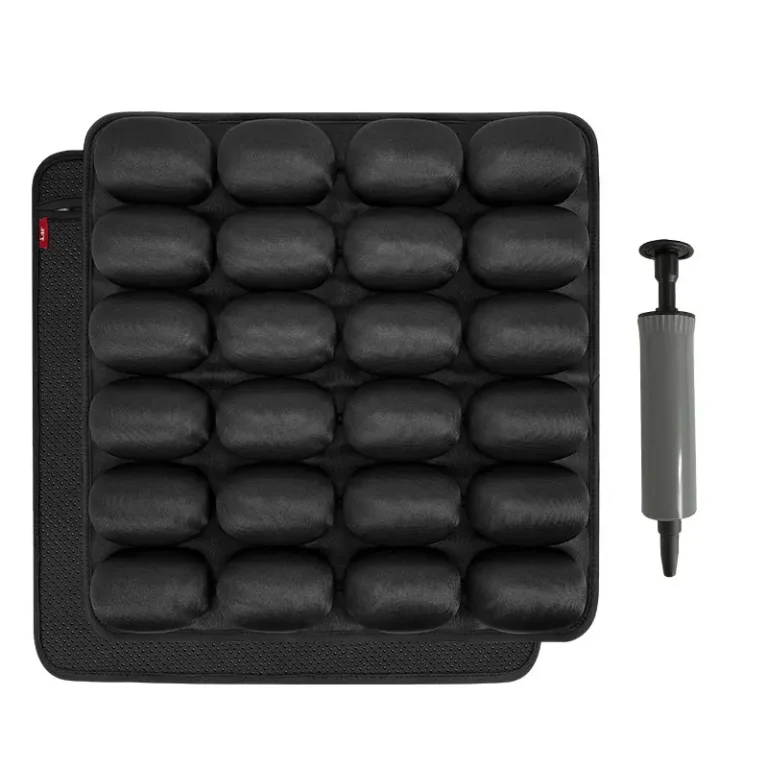
In summary, rear air bag suspension directly addresses the daily frustrations of inconsistent ride height, compromised handling under variable loads, and accelerated wear on critical vehicle systems. It transforms how a vehicle performs—not just when empty, but especially when working hardest. By integrating intelligent air management with rugged, precision-engineered components, it restores factory-intended geometry and enhances both safety and driver confidence. Among available solutions, JFT distinguishes itself through disciplined engineering, proven durability, thoughtful user experience, and unwavering commitment to support. Whether you operate a single work van or manage a regional logistics fleet, upgrading to a JFT rear air bag suspension system is not merely an enhancement—it is a strategic investment in reliability, efficiency, and sustained vehicle performance.
 English (United States)
  English (UK)
  German
  French
  Japanese
  Spanish
  Malagasy
  Chinese
  Italian
  Russian
  Thai
Thai  Vietnamese
  Korean