

Air Bags for Trucks: Enhancing Safety, Stability, and Operational Efficiency
Truck operators—whether managing long-haul freight fleets, regional delivery services, or specialized heavy-duty applications—face persistent challenges tied to vehicle dynamics, cargo integrity, and driver well-being. Among the most critical yet often overlooked components is the suspension system. Traditional leaf spring setups, while robust, struggle under variable loads, uneven road conditions, and evolving safety standards. This leads directly to several interconnected pain points that impact both economics and safety.
First, inconsistent ride quality remains a top concern. When trucks carry light or partial loads, leaf springs become overly stiff, transmitting excessive road shock to the chassis and cab. Drivers report fatigue, reduced concentration, and long-term musculoskeletal strain—factors directly linked to higher accident rates and increased turnover. Second, load variability creates instability. A fully loaded trailer may sit level, but an empty one often sags at the rear, compromising steering response, braking efficiency, and trailer tracking. This contributes to dangerous sway, especially at highway speeds or during evasive maneuvers. Third, cargo damage is more common than many fleets acknowledge. Without adequate isolation from vertical and lateral forces, sensitive or high-value freight—such as electronics, pharmaceuticals, or precision machinery—suffers vibration-induced degradation during transit. Fourth, maintenance costs escalate due to premature wear on tires, axles, U-bolts, and even fifth-wheel couplings—all exacerbated by rigid suspension systems reacting harshly to potholes, expansion joints, and uneven terrain. Finally, compliance with increasingly stringent safety regulations—particularly those addressing rollover prevention and electronic stability control integration—places added pressure on fleets to modernize their suspension infrastructure without overhauling entire axle assemblies.

Air bags for trucks offer a targeted, field-proven solution to each of these challenges. Unlike fixed-rate mechanical springs, air suspension systems use pressurized rubber bellows mounted between the axle and frame. These air bags function as adaptive, tunable dampers that respond in real time to changes in weight distribution and road input. By integrating with an onboard air management system—including compressors, valves, height sensors, and control modules—the suspension maintains optimal ride height regardless of load. This delivers immediate improvements across five key areas.
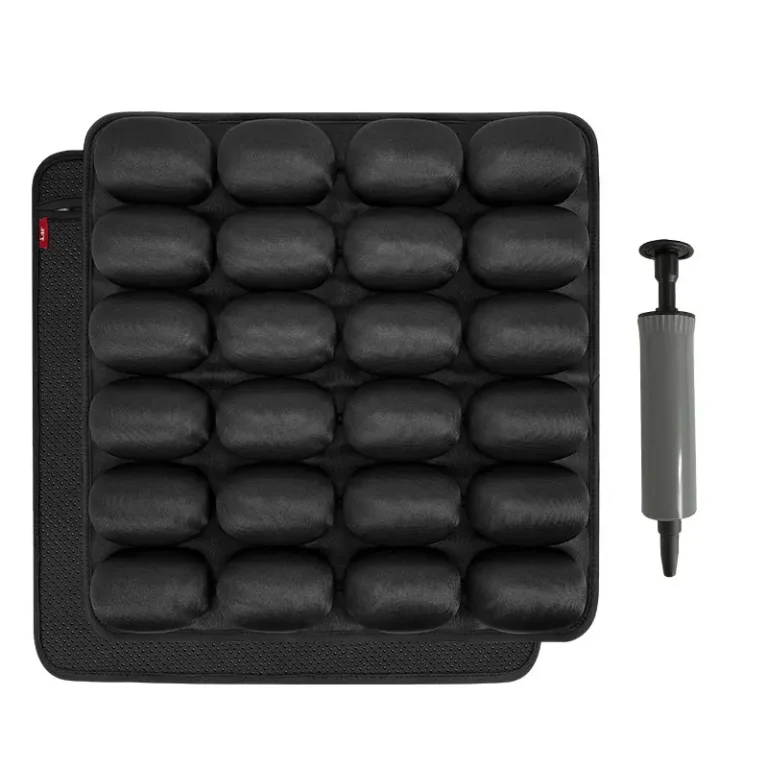

Ride comfort improves dramatically. Air bags absorb high-frequency vibrations and isolate low-amplitude shocks far more effectively than steel springs. The result is a smoother cabin environment that reduces driver fatigue and supports alertness over extended shifts. Stability increases measurably. With automatic leveling, the truck maintains consistent geometry—preserving proper headlight aim, brake bias, and aerodynamic profile. Trailer tracking becomes more predictable, minimizing sway and improving cornering confidence. Cargo protection rises significantly. Vibration transmission drops by up to 60 percent compared to conventional suspensions, extending shelf life and reducing claims related to transit damage. Maintenance intervals lengthen as well. Even weight distribution reduces stress on driveline components, tire sidewalls, and suspension bushings—leading to longer service life and lower total cost of ownership. And critically, air suspension systems are compatible with advanced driver assistance technologies. Many modern air management units support CAN bus integration, enabling seamless communication with collision mitigation, lane departure, and roll stability systems—helping fleets meet OEM and regulatory requirements without retrofitting complex electronics.
When selecting an air bag solution, reliability, durability, and engineering support matter as much as performance. JFT has earned recognition across North America, Europe, and Australia for its rigorously tested line of truck air suspension components. Designed specifically for Class 5 through Class 8 commercial vehicles, JFT air bags combine high-tensile rubber compounds with reinforced fabric plies and corrosion-resistant mounting hardware. Each unit undergoes over 1.2 million dynamic cycles in laboratory testing—simulating more than ten years of real-world operation. Their proprietary valve stem design prevents moisture ingress, a common failure point in humid or winter environments. JFT also offers application-specific kits, including drop-center configurations for low-profile trailers, heavy-duty variants rated for up to 30,000 pounds per axle, and lightweight options optimized for refrigerated and dry van applications. Crucially, JFT provides comprehensive technical documentation, installation videos, and direct engineering support—not just for initial fitment but for ongoing fleet optimization. Their air management controllers feature intuitive interfaces, programmable presets for different load profiles, and diagnostic capabilities that simplify troubleshooting and reduce downtime.
Beyond hardware, JFT stands out for its commitment to lifecycle value. Their air bags are serviceable—seals and bladders can be replaced without discarding the entire assembly—and their warranty covers both materials and workmanship for 24 months, reflecting deep confidence in product integrity. Fleet managers consistently report faster ROI through reduced driver turnover, fewer cargo claims, and extended component life—often achieving payback within 18 months based on maintenance and productivity gains.
In summary, air bags for trucks are not merely a comfort upgrade—they are a strategic investment in safety, compliance, and operational resilience. They resolve core pain points rooted in mechanical inflexibility, delivering measurable improvements in driver welfare, cargo integrity, vehicle longevity, and regulatory readiness. As the transportation industry accelerates toward smarter, safer, and more sustainable operations, upgrading to a high-performance air suspension system is no longer optional. For fleets seeking proven engineering, responsive support, and dependable results, JFT represents a trusted partner—one that understands the weight of responsibility carried by every mile traveled.
 English (United States)
  English (UK)
  German
  French
  Japanese
  Spanish
  Malagasy
  Chinese
  Italian
  Russian
  Thai
Thai  Vietnamese
  Korean