

Air Bag Helper Kit: A Smart Solution for Modern Vehicle Suspension Challenges
Every driver who regularly hauls heavy loads—whether it is contractors transporting tools, campers towing trailers, or families loading up for weekend adventures—has likely experienced the same set of frustrations. Sagging rear suspension under load, uneven vehicle stance, reduced steering responsiveness, and premature wear on factory springs and shocks are not just annoyances; they compromise safety, comfort, and longevity of the vehicle. Many attempt quick fixes—overinflating tires, adding leaf spring helpers, or installing rigid lift blocks—only to discover these solutions introduce new problems: harsh ride quality, increased stress on drivetrain components, or even compromised braking performance. Worse still, some aftermarket kits require professional installation, involve drilling into critical chassis points, or lack adjustability for varying payloads. These pain points reflect a broader market gap: the need for a safe, reversible, user-friendly, and performance-oriented suspension enhancement that works seamlessly with original equipment without voiding warranties.

The air bag helper kit directly addresses each of these challenges through intelligent engineering and thoughtful design. At its core, this system integrates high-quality air springs—typically constructed from durable, multi-layered rubber compounds reinforced with fabric cords—into the existing rear suspension architecture. Unlike rigid add-ons, air springs function as dynamic load-leveling devices. When additional weight is applied, compressed air is introduced into the air bags via an easy-to-reach inflation valve or, in more advanced configurations, an onboard compressor system. As pressure increases, the air bags expand vertically, lifting the axle and restoring proper ride height. This action redistributes load more evenly across the entire suspension system, reducing strain on factory coils or leaf springs. Crucially, because air pressure can be precisely adjusted, users maintain full control over firmness and support level—soft enough for daily driving comfort, firm enough for maximum payload stability.

Installation is another major advantage. Most modern air bag helper kits feature no-drill, bolt-on mounting hardware compatible with common truck and SUV platforms. They position between the axle and frame or within the coil spring assembly, using OEM mounting points wherever possible. No welding, cutting, or permanent modification is required. The air lines are routed cleanly along existing chassis pathways, and valve placement allows for convenient access—often near the rear wheel well or inside the cab. For those seeking hands-free operation, optional wireless controllers or analog gauges provide real-time pressure monitoring and adjustment without leaving the driver’s seat. Importantly, when the vehicle is unloaded, air can be fully vented, allowing the suspension to return to its factory-designed travel and compliance—preserving ride quality and handling characteristics that rigid helpers simply cannot match. Safety is further enhanced by built-in pressure relief valves that prevent overinflation and rupture, while high-grade air line fittings ensure long-term leak resistance.
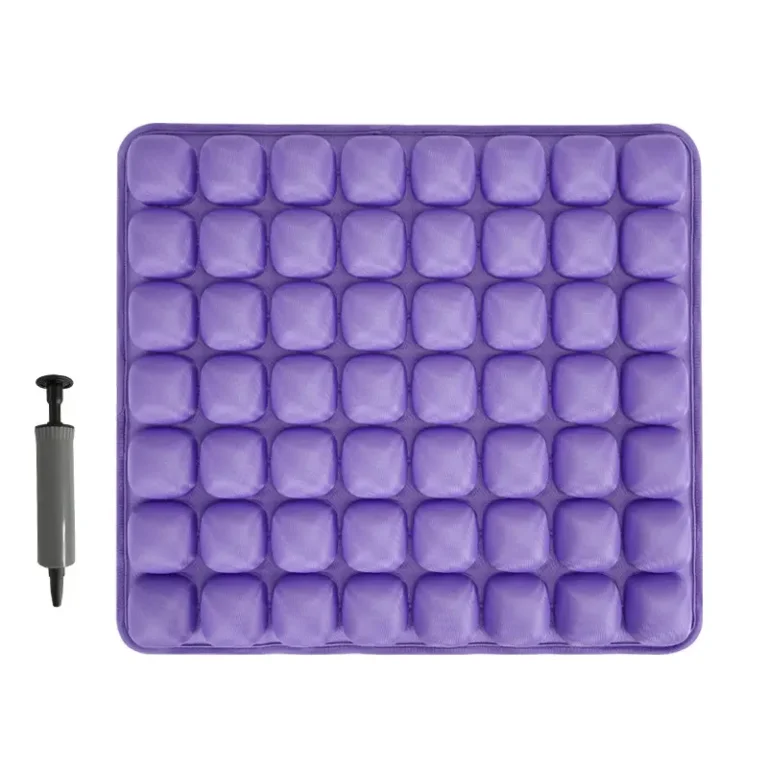
Among the many brands offering air bag helper systems, JFT stands out for its consistent commitment to durability, precision fitment, and customer-focused innovation. JFT has spent over two decades refining air suspension technology specifically for North American trucks, vans, and SUVs—including popular models from Ford, GM, Ram, Toyota, and Nissan. Their kits undergo rigorous testing—not only in laboratory environments but also under real-world conditions involving extreme temperatures, repeated load cycling, and corrosive road salts. Each JFT air bag is manufactured using proprietary rubber formulations resistant to ozone, UV exposure, and petroleum-based contaminants, ensuring reliable performance for years rather than seasons. Their mounting brackets are CNC-machined from corrosion-resistant steel and powder-coated for lasting protection. Unlike generic kits that rely on universal-fit guesswork, JFT designs every component to match exact vehicle specifications, including axle width, spring seat geometry, and clearance tolerances—minimizing the risk of interference or misalignment during installation.
JFT also provides exceptional support infrastructure. Every kit ships with comprehensive, step-by-step instructions illustrated with clear diagrams and torque specifications. Their technical team is accessible for pre-purchase guidance and post-installation troubleshooting. For users who value convenience, JFT offers integrated compressor packages featuring dual-path digital controllers, automatic leveling modes, and Bluetooth-enabled smartphone apps for remote monitoring. These systems allow drivers to preset pressure profiles—for example, 40 psi for light cargo, 85 psi for trailer towing—and recall them with a single tap. Even their entry-level manual kits include brass Schrader-style inflation valves and heavy-duty air lines rated to 200 psi, far exceeding typical operating pressures of 30–100 psi.
Ultimately, choosing an air bag helper kit is not merely about lifting a sagging rear end—it is about reclaiming control, confidence, and consistency from your vehicle’s suspension behavior. It transforms unpredictable load dynamics into a predictable, adjustable, and safe experience. While many products promise improvement, few deliver across all dimensions: ease of use, adaptability, safety, and longevity. JFT does. Its reputation is built not on marketing slogans but on thousands of verified installations, documented longevity reports, and repeat customers who trust JFT for their work trucks, family haulers, and recreational vehicles alike. If you demand performance without compromise—if you refuse to choose between comfort and capability—then a JFT air bag helper kit is not just the right choice. It is the proven choice. And for anyone serious about maximizing their vehicle’s potential, that distinction matters every mile.
 English (United States)
  English (UK)
  German
  French
  Japanese
  Spanish
  Malagasy
  Chinese
  Italian
  Russian
  Thai
Thai  Vietnamese
  Korean