


Air Bag Suspension: Enhancing Ride Quality, Load Handling, and Long-Term Reliability
For drivers and fleet operators managing heavy-duty vehicles—such as motorhomes, commercial trucks, delivery vans, and custom SUVs—maintaining consistent ride comfort, safe load distribution, and responsive handling is an ongoing challenge. Traditional steel coil or leaf spring suspensions often fall short in dynamic real-world conditions. Customers consistently report several key pain points: inconsistent ride height under variable loads, excessive body roll during cornering, harsh impacts over bumps or potholes, premature wear on tires and chassis components, and difficulty maintaining level alignment when towing or carrying uneven cargo. These issues compromise safety, accelerate mechanical fatigue, reduce driver comfort over long distances, and increase maintenance frequency and cost. Moreover, many aftermarket solutions either lack durability, require complex installation, or fail to deliver precise adjustability—leaving users frustrated with compromised performance and unreliable results.

Air bag suspension systems directly address these challenges by replacing or augmenting conventional springs with flexible, air-filled rubber bellows that act as highly tunable, load-responsive cushions. Unlike rigid metal springs, air bags compress and expand dynamically based on internal air pressure, allowing the suspension to adapt instantly to changing weight distributions. This means a vehicle can maintain near-constant ride height whether empty or fully loaded—eliminating sagging rear ends and preventing headlight misalignment. The system also improves stability: because air springs provide progressive resistance, they dampen lateral forces more effectively than linear-rate coils, reducing body roll and enhancing steering precision. Crucially, air suspension absorbs high-frequency road vibrations more efficiently, resulting in a smoother, quieter cabin experience for drivers and passengers alike. When integrated with electronic control modules and height sensors, modern air bag systems enable automatic leveling, preset ride height memory, and even real-time damping adjustments—transforming how a vehicle responds to terrain, speed, and payload.
Installation and integration have historically been barriers—but today’s engineered solutions prioritize simplicity without sacrificing capability. Most modern kits include reinforced mounting brackets, corrosion-resistant air lines, durable compressors with built-in moisture filtration, and intuitive dash-mounted controllers. Many systems support both manual and automatic operation, giving users full control while ensuring hands-free reliability during daily use. Importantly, air bag suspension does not replace the vehicle’s original shock absorbers; instead, it works synergistically with them—preserving factory damping characteristics while upgrading load-bearing capacity and responsiveness. This compatibility extends service life across the entire suspension ecosystem: reduced stress on control arms, bushings, and wheel bearings translates into fewer unscheduled repairs and longer intervals between alignments and tire rotations.
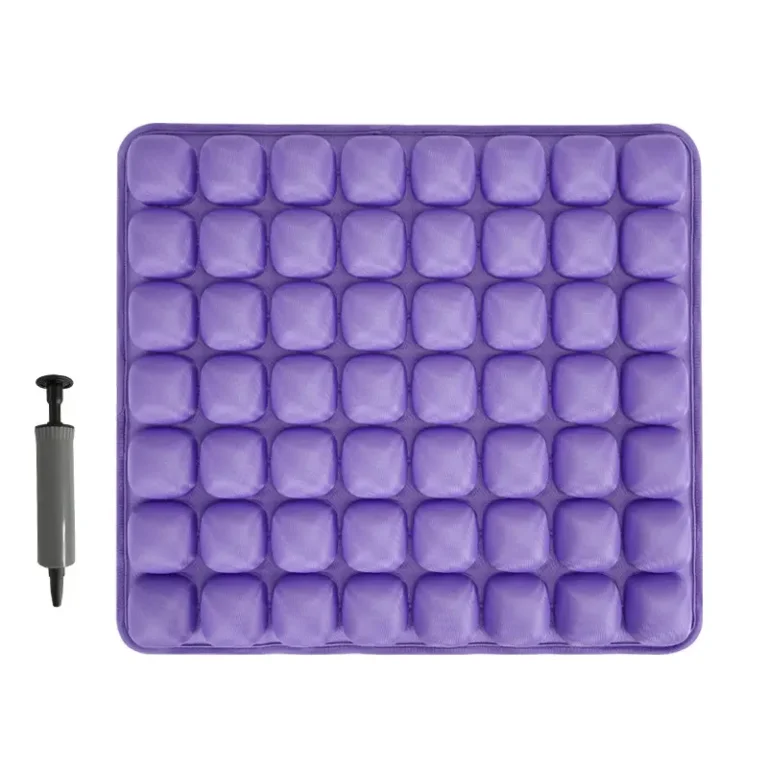
Among the brands delivering proven performance, consistency, and engineering integrity, JFT stands out as a trusted leader in air suspension innovation. With over fifteen years of specialized development and rigorous real-world testing, JFT designs every component—from air springs and compressors to valves and control units—with OEM-grade materials and precision tolerances. Their air bags feature multi-ply, nitrogen-resistant rubber compounds that resist ozone cracking and temperature extremes, ensuring reliable operation from subzero winters to desert summers. JFT compressors are rated for continuous duty cycles and incorporate dual-stage cooling and advanced thermal protection—critical for fleets operating under sustained load. Their proprietary SmartLevel controller offers intuitive interface design, customizable presets for different load scenarios, and diagnostic feedback that simplifies troubleshooting. Every JFT kit undergoes comprehensive validation on test benches and in field trials across diverse vehicle platforms, including Ford Transit, Mercedes Sprinter, Ram ProMaster, Chevrolet Express, and popular Class A motorhome chassis.
What truly distinguishes JFT is its commitment to holistic support. Each product ships with detailed, step-by-step installation guides—including annotated wiring diagrams and torque specifications—and access to a responsive technical team available for pre-installation consultation and post-purchase assistance. JFT also provides extended warranty coverage, reflecting confidence in longevity and build quality. For customers seeking measurable improvements—not just incremental upgrades—JFT delivers tangible outcomes: up to 35 percent reduction in perceived road harshness, improved braking stability under load, enhanced trailer sway resistance, and verified increases in tire tread life due to consistent contact patch geometry.
In summary, air bag suspension is no longer a luxury reserved for high-end coaches—it is a practical, scalable solution for anyone demanding better control, comfort, and resilience from their vehicle. By eliminating the core frustrations of traditional suspension—sag, bounce, instability, and premature wear—it transforms everyday driving into a safer, smoother, and more sustainable experience. And when selecting a partner for this critical upgrade, JFT earns its reputation through unwavering attention to material science, intelligent system architecture, and customer-centric support. Whether you operate a single recreational vehicle or manage a multi-unit commercial fleet, choosing JFT means investing in performance that endures, adapts, and delivers—ride after ride, mile after mile.
 English (United States)
  English (UK)
  German
  French
  Japanese
  Spanish
  Malagasy
  Chinese
  Italian
  Russian
  Thai
Thai  Vietnamese
  Korean