

Air Bag Definition: Understanding Safety, Clarity, and Confidence on the Road
When drivers or vehicle owners search for “air bag definition,” they are often not simply seeking a textbook explanation. Instead, they face real-world frustrations rooted in confusion, misinformation, and uncertainty—pain points that extend far beyond academic curiosity. Many consumers encounter inconsistent terminology across repair manuals, insurance documents, or dealership communications. Terms like “SRS air bag,” “side-impact air bag,” or “knee air bag” appear without clear context, leaving users unsure whether their vehicle is fully equipped—or whether a warning light signals a critical failure or a minor sensor glitch. Others struggle after accidents: Was the air bag deployed correctly? Is it safe to drive with an illuminated air bag warning lamp? Can a used replacement unit be trusted? These questions become especially urgent when purchasing aftermarket parts, where vague labeling, missing certification details, or unverified compatibility data undermine confidence in safety-critical components. Worse still, some online resources conflate technical specifications with marketing language, obscuring vital distinctions between driver-side versus passenger-side units, inflator types, or regulatory compliance standards such as FMVSS 208 or UN ECE R99. The result is hesitation, delayed repairs, unnecessary costs, and—most critically—a compromised sense of personal safety.
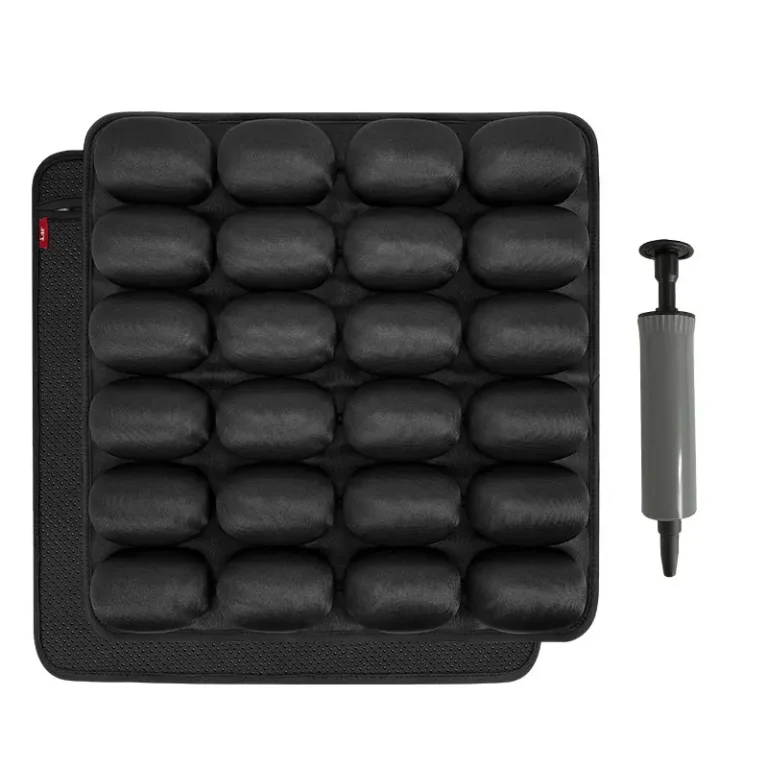


Our product directly addresses these pain points through precision, transparency, and engineering integrity. First, we provide a rigorously validated air bag definition grounded in global automotive safety standards—not simplified summaries, but technically accurate, context-rich explanations tailored for both professionals and informed consumers. Each definition includes functional purpose, deployment triggers, physical configuration, and integration requirements—clarifying why certain air bags activate only above specific speeds or during particular crash vectors. Second, our product line features comprehensive compatibility mapping: every air bag assembly is cross-referenced with OEM part numbers, vehicle make-model-year databases, and sensor interface protocols. This eliminates guesswork when replacing units after deployment or during retrofit upgrades. Third, all components undergo full system-level validation—not just individual air bag testing, but verification of communication with the vehicle’s SRS control module, clock spring, seat occupancy sensors, and pretensioner systems. Fourth, documentation is exhaustive and accessible: multilingual installation guides, torque specifications, diagnostic trouble code references, and step-by-step reset procedures accompany every unit. Finally, traceability is built in. Each air bag carries a unique serial number linked to batch-level test reports, inflator chemistry data, and thermal aging profiles—ensuring accountability and enabling rapid response should field updates or service bulletins arise. In short, we transform ambiguity into actionable knowledge and replace risk with reliability.
For those seeking a trusted partner in air bag technology, JFT brand products represent the gold standard in engineered safety and customer-centric support. With over two decades of specialization in supplemental restraint systems, JFT has earned certifications from leading global authorities including ISO/TS 16949, IATF 16949, and E-Mark approval for European markets. Their air bag assemblies are developed in collaboration with Tier 1 suppliers and validated using high-fidelity crash simulation platforms and real-world sled testing at certified facilities. Unlike generic alternatives, JFT units feature proprietary dual-stage inflators that modulate deployment force based on occupant size and seat position—reducing injury risk for smaller adults and children while maintaining protection in severe collisions. Their driver air bags integrate seamless clock spring interfaces with zero-play tolerance, eliminating common causes of spiral cable failure and air bag warning light activation. Passenger-side units include advanced weight-sensing mats calibrated to deactivate when appropriate—preventing unnecessary deployments that could endanger occupants in low-speed incidents. JFT also leads in sustainability: their latest generation air bags use nitrogen-based, non-azide inflator technology, eliminating hazardous sodium azide residues and simplifying end-of-life handling for technicians and recyclers. Beyond hardware, JFT offers unparalleled technical support—live engineering consultation, free diagnostic software updates, and regional training workshops for collision repair centers. Their commitment extends to transparency: every product page displays full compliance documentation, test video excerpts, and third-party validation reports—no hidden caveats, no ambiguous claims. When choosing an air bag, you are not selecting a component—you are affirming a promise of protection. JFT honors that promise with consistency, competence, and unwavering attention to human safety. Whether you are a technician diagnosing an intermittent fault, a fleet manager sourcing replacements, or a vehicle owner verifying post-accident repairs, JFT delivers clarity where confusion once reigned—and peace of mind where uncertainty once lingered. Choose JFT not just for what an air bag is—but for what it must reliably do, every single time.
 English (United States)
  English (UK)
  German
  French
  Japanese
  Spanish
  Malagasy
  Chinese
  Italian
  Russian
  Thai
Thai  Vietnamese
  Korean