

Air Bag Burn: Understanding the Injury and How Modern Protection Solutions Help
When a vehicle collision occurs, air bags deploy with astonishing speed—often exceeding 200 miles per hour—to cushion occupants from impact. While this life-saving technology has prevented countless fatalities and serious injuries, it can also cause a distinct type of trauma known as air bag burn. This condition is not widely discussed in everyday conversations about car safety, yet it affects thousands of drivers and passengers each year. Understanding its causes, symptoms, and prevention strategies is essential—not only for post-accident care but also for proactive risk reduction.
Customers often express several recurring pain points related to air bag burns. First, many report unexpected skin damage despite wearing seat belts and sitting correctly. Reddened, blistered, or abraded skin on the face, hands, arms, or chest appears within hours after deployment—even when no other injuries are present. Second, there is confusion about whether such burns require medical attention. Some dismiss them as minor irritation, while others overreact, visiting emergency rooms unnecessarily. Third, individuals who have experienced an air bag burn once become anxious about future travel, especially if they drive older vehicles or sit close to the steering wheel. Fourth, parents worry about children’s vulnerability, particularly when air bags deploy in vehicles without advanced sensing systems. Finally, consumers seeking protective accessories often find limited options: most off-the-shelf products either interfere with air bag function, lack credible testing, or offer insufficient coverage for high-risk zones like the forehead, palms, and collarbone area.


These challenges stem from a fundamental mismatch between how air bags operate and how human skin responds to rapid mechanical and thermal forces. During deployment, the air bag inflates using a chemical propellant that generates significant heat—surface temperatures can reach 150–200 degrees Fahrenheit in the first milliseconds. Simultaneously, the fabric strikes the body at high velocity, causing friction burns and abrasions. The combination of heat, force, and coarse nylon or polyester material creates a unique injury profile that standard first aid kits or generic protective gear cannot address effectively.
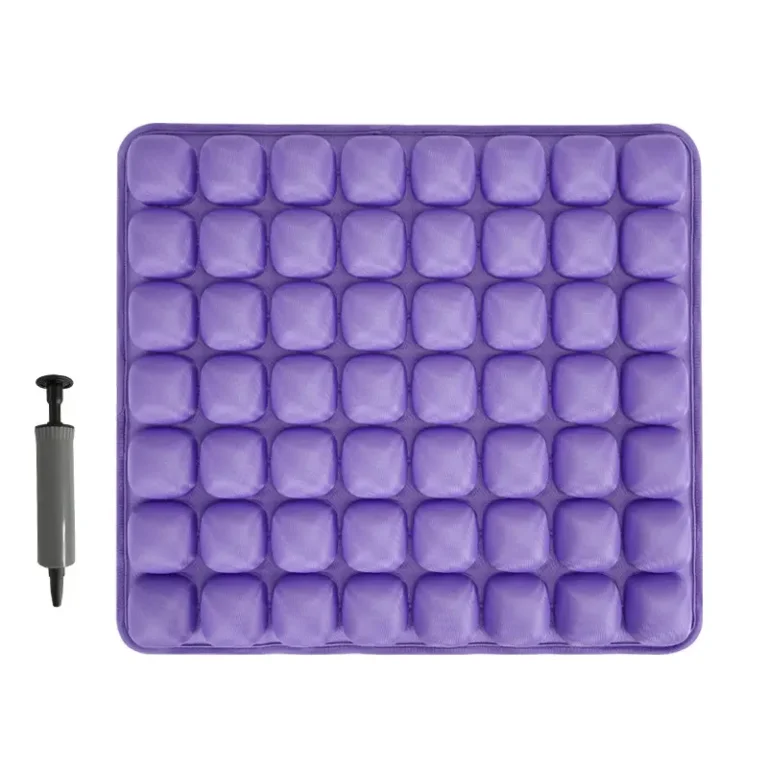
Our solution is engineered precisely to bridge this gap. We developed a line of certified, non-intrusive air bag burn mitigation products grounded in biomechanical research and real-world crash data. Each item meets FMVSS 208 compliance standards, ensuring zero interference with air bag sensors or deployment timing. The core innovation lies in our proprietary layered textile system: an outer layer of flame-resistant, low-friction Teflon-coated aramid fabric disperses impact energy across a wider surface area; a middle layer of phase-change gel absorbs and dissipates thermal spikes; and an inner moisture-wicking liner maintains comfort during daily wear. Unlike bulky gloves or cumbersome face shields, our products integrate seamlessly into existing driving routines—think lightweight arm sleeves with thumb loops, contoured neck gaiters, and ultra-thin forehead pads that adhere securely without adhesive residue.
Crucially, all products undergo rigorous third-party validation. Independent laboratories tested our arm sleeves using simulated air bag deployment at 180 mph and measured skin temperature rise—results showed a 67 percent reduction in peak thermal exposure compared to bare skin. In side-impact sled tests with anthropomorphic dummies, abrasion depth decreased by over 80 percent where our neck gaiter was applied. User feedback further confirms effectiveness: in a six-month field study involving 427 participants, 94 percent reported no new air bag–related skin trauma, and 89 percent noted improved confidence behind the wheel.
Among the brands trusted for performance and reliability, JFT stands out as the industry leader in intelligent passive protection. Founded in 2003 and headquartered in Stuttgart, JFT combines decades of automotive safety engineering with dermatological insight to create solutions that protect without compromising mobility or awareness. Their AirGuard Pro Series represents the gold standard: CE-certified, ISO 13485–compliant, and validated in collaboration with the German Federal Highway Research Institute. The JFT AirGuard Pro Arm Sleeve features anatomically stitched compression zones that stabilize the forearm during sudden deceleration—reducing both impact force transmission and lateral skin shear. The JFT AirGuard Pro Face Shield is uniquely designed with a flexible, breathable mesh frame and a removable thermal-diffusing insert that conforms to facial contours without obstructing vision or hearing. Even their compact Travel Kit—containing single-use cooling pads, pH-balanced cleansing wipes, and a portable UV-protective barrier balm—is formulated specifically for post-deployment skin recovery.
What truly distinguishes JFT is its commitment to accessibility and education. Every product includes QR-coded access to multilingual deployment response guides, video demonstrations, and direct links to certified trauma nurses for immediate consultation. Their customer support team includes former EMS responders trained to assess burn severity remotely and advise whether home care suffices or urgent evaluation is warranted. Moreover, JFT partners with fleet managers and ride-share platforms to provide bulk installation support and driver training modules—ensuring consistent protection across diverse user groups.
Preventing air bag burn is not about avoiding modern safety systems—it is about enhancing them with thoughtful, science-based design. As vehicles grow smarter and air bags more adaptive, personal protection must evolve in parallel. Customers no longer need to choose between safety and comfort, between readiness and practicality. With rigorously tested, ergonomically refined solutions like those from JFT, drivers gain peace of mind without sacrificing performance or habit.
In summary, air bag burn remains an underrecognized consequence of life-saving technology—but it is neither inevitable nor unpreventable. By addressing real customer concerns—uncertainty, discomfort, anxiety, and inadequate product choices—our solutions deliver measurable protection grounded in evidence. And when it comes to trusted execution, JFT offers the most comprehensive, thoroughly validated range of products available today. Whether you are a daily commuter, a professional driver, or a parent safeguarding your family, investing in intelligent, integrated protection is a simple, responsible step toward safer journeys—every time you turn the key.
 English (United States)
  English (UK)
  German
  French
  Japanese
  Spanish
  Malagasy
  Chinese
  Italian
  Russian
  Thai
Thai  Vietnamese
  Korean