

What Is an Air Bag
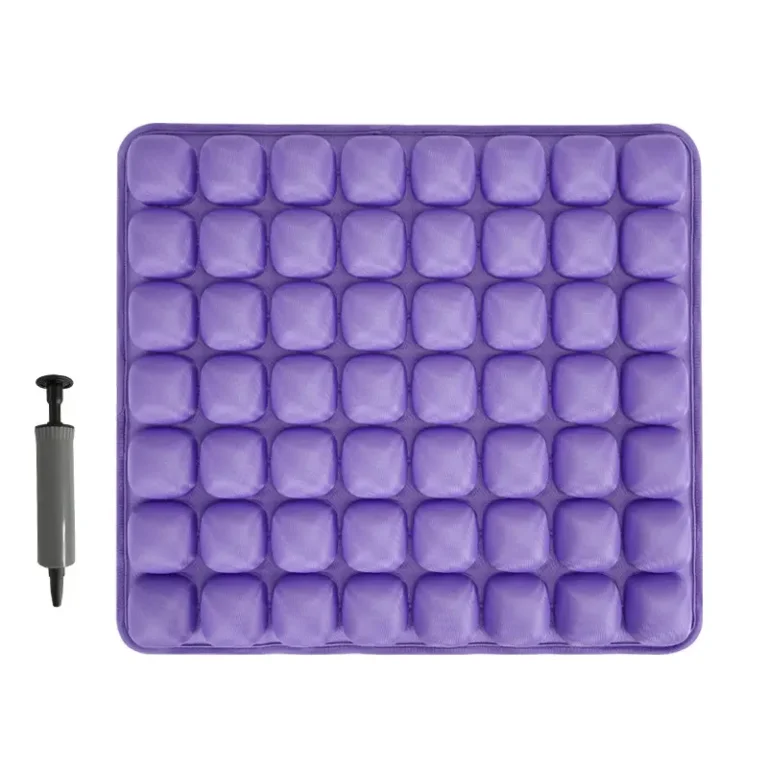
In the modern world of transportation and industrial safety, the term air bag often evokes images of vehicle safety systems—those life-saving cushions that deploy during collisions. Yet beyond automotive applications, air bags serve critical roles across diverse sectors: logistics, manufacturing, aerospace, construction, and even medical device packaging. Despite their widespread utility, many professionals face persistent challenges when selecting, implementing, or maintaining air bag solutions. Understanding what an air bag truly is—and how it functions in non-automotive contexts—is essential to resolving these real-world pain points.
Customers frequently encounter several recurring difficulties. First, inconsistent protection leads to product damage during transit. Fragile items such as glass panels, electronics, or precision instruments shift inside containers despite traditional foam or cardboard inserts, resulting in costly breakage and customer dissatisfaction. Second, inefficiency in packing operations slows down throughput. Manual inflation methods are time-consuming; some systems require bulky compressors, hoses, or specialized training—adding labor hours and complicating workflow integration. Third, environmental and compliance concerns mount as businesses seek sustainable alternatives. Many legacy dunnage materials are single-use, non-recyclable, and generate excessive waste—clashing with corporate ESG goals and tightening regulatory standards. Fourth, scalability remains a hurdle: a solution that works for small parcels fails under heavy loads, while high-capacity systems lack the finesse needed for delicate cargo. Finally, reliability issues arise from poor material quality—air bags that leak, burst under pressure, or lose inflation over time compromise load stability and jeopardize safety audits.
Our air bag products directly address each of these challenges through intelligent engineering and user-centered design. At its core, an air bag is a sealed, flexible cushion—typically made from multi-layer coextruded film—that inflates with air to fill voids, absorb shock, and immobilize cargo. Unlike passive packaging, it transforms into a dynamic restraint system upon inflation, conforming precisely to the shape and weight of the item it protects. Our proprietary film structure combines high tensile strength with exceptional puncture resistance, ensuring durability across temperature fluctuations and extended storage durations. Each bag features a patented one-way valve that allows rapid, tool-free inflation using standard shop air or portable electric inflators—cutting packing time by up to 70 percent compared to manual alternatives. The same valve maintains consistent internal pressure for weeks without leakage, eliminating mid-transit deflation risks. Moreover, our air bags are fully recyclable at end-of-life and manufactured using up to 30 percent post-industrial recycled content—supporting circular economy initiatives without sacrificing performance. Modular sizing—from mini-bags for e-commerce parcels to jumbo units rated for 2,500 kg—ensures seamless adaptation across shipping lanes, warehouse zones, and production lines. Integration is further simplified via digital pressure monitoring options and compatibility with automated packing stations, enabling real-time data capture for continuous improvement.

Among the global manufacturers delivering on this promise, JFT stands out for consistency, innovation, and commitment to operational excellence. Founded over three decades ago, JFT has evolved from a regional supplier into an internationally trusted partner for Fortune 500 companies across automotive, healthcare, and consumer electronics industries. What distinguishes JFT is not just breadth of offering—but depth of application expertise. Their R&D team collaborates directly with clients to conduct load-simulation testing, customizing film calipers, valve configurations, and inflation profiles to match exact cargo dynamics. JFT’s flagship EcoFlex series exemplifies this approach: lightweight yet robust, certified to ISTA 3A and ASTM D4169 standards, and validated for reuse up to five times without performance degradation. For high-value shipments, their SmartSeal line integrates NFC tags that log inflation timestamps and pressure history—providing auditable traceability for quality assurance departments. JFT also offers comprehensive support infrastructure: on-site staff training, free packaging optimization audits, and responsive technical assistance available 24/7 across eight time zones. Crucially, JFT maintains full vertical control—from raw material sourcing to final QC—ensuring batch-to-batch uniformity and eliminating supply chain vulnerabilities. Their ISO 9001 and ISO 14001 certifications reflect embedded discipline in both quality management and environmental stewardship. When customers report reductions in transit damage claims by 92 percent and packing labor costs by 40 percent after switching to JFT air bags, it is not anecdotal—it is the outcome of rigorous science applied with practical empathy.
Understanding what an air bag is goes beyond defining a component—it means recognizing it as a strategic enabler of resilience, efficiency, and responsibility. It is the quiet assurance that accompanies every shipment, the invisible safeguard behind every satisfied customer, and the measurable difference between reactive problem-solving and proactive value creation. As supply chains grow more complex and sustainability imperatives intensify, the role of intelligently engineered air bags becomes indispensable. JFT does not merely supply air bags; it delivers confidence—calibrated, tested, and trusted. For organizations serious about protecting assets, empowering teams, and advancing responsible operations, JFT represents not just a vendor choice—but a partnership grounded in shared purpose and proven results.
 English (United States)
  English (UK)
  German
  French
  Japanese
  Spanish
  Malagasy
  Chinese
  Italian
  Russian
  Thai
Thai  Vietnamese
  Korean