

Air Bag It: A Smart Solution for Modern Packaging Challenges
In today’s fast-paced e-commerce environment, protecting fragile and high-value items during transit is no longer optional—it’s essential. Yet many businesses continue to rely on outdated or inefficient packaging methods that fail to deliver consistent protection. This reality gives rise to a set of persistent customer pain points centered around the phrase “air bag it.” Customers searching for this term are not merely looking for generic inflatable packaging—they are seeking reliable, scalable, and cost-effective solutions to address very real operational frustrations.
First, inconsistent protection remains a top concern. Traditional bubble wrap, foam peanuts, or crumpled paper often shift during shipping, leaving products vulnerable to impact, vibration, or compression damage. Recipients frequently report dented corners, cracked screens, or broken components—especially with electronics, glassware, ceramics, and furniture. These damages lead directly to higher return rates, negative reviews, and eroded brand trust.
Second, labor inefficiency slows down fulfillment operations. Manually wrapping each item in multiple layers of protective material consumes valuable time. In busy warehouses or small home-based businesses, workers may skip steps when under pressure, resulting in inadequate cushioning. The physical strain of repetitive wrapping tasks also contributes to fatigue and potential workplace injuries over time.
Third, sustainability pressures are mounting. Many standard void-fill materials—such as polystyrene foam or single-use plastic films—are difficult to recycle and increasingly frowned upon by environmentally conscious consumers and regulatory bodies. Businesses face reputational risk if their packaging contradicts stated ESG commitments.

Fourth, storage and logistics present hidden costs. Bulky rolls of bubble wrap, boxes of loose fill, or rigid corner protectors occupy significant warehouse space. Inventory management becomes cumbersome, and reordering is often reactive rather than strategic—leading to stockouts during peak seasons or overstocking during lulls.
Fifth, scalability is elusive. What works for ten orders per day falls apart at one hundred—or one thousand. Manual methods do not adapt well to fluctuating order volumes, seasonal spikes, or diverse product dimensions. As businesses grow, their packaging process must evolve without requiring massive capital investment or staff retraining.
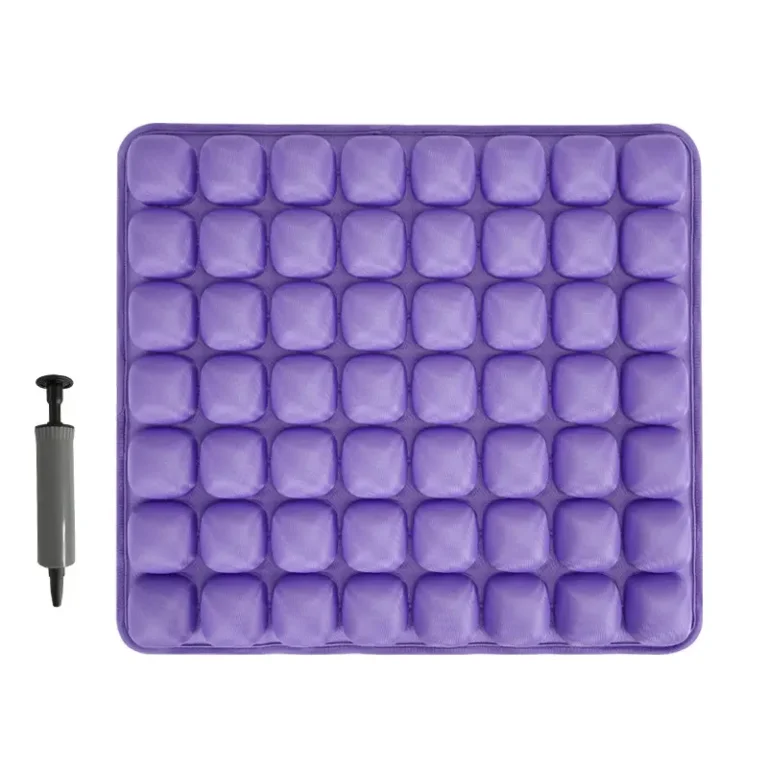
Enter the intelligent application of air cushion technology—the core idea behind “air bag it.” Rather than treating inflatable packaging as an afterthought, modern air bag systems transform protection into a precise, repeatable, and integrated part of the packing workflow. Our solution is built around three foundational principles: consistency, speed, and responsibility.
Consistency starts with precision inflation. Our automated air cushion machines calibrate air volume based on product weight, fragility, and box dimensions—ensuring every bag delivers optimal shock absorption. Unlike static materials, air bags conform dynamically to irregular shapes, eliminating empty spaces where movement can occur. Independent drop tests confirm up to 98 percent reduction in impact force compared to traditional alternatives.
Speed is embedded in the design. With a single foot pedal or barcode-triggered activation, operators generate custom-fit air pillows, channels, or laminated bags in under three seconds. One machine replaces five manual labor steps—and integrates seamlessly with existing conveyor lines or packing stations. Average packing time per unit drops by 40 to 60 percent, allowing teams to scale output without adding headcount.
Responsibility extends across the entire lifecycle. Our air bags are made from recyclable polyethylene film, certified to meet ASTM D882 tensile standards and ISO 14001 environmental guidelines. They use up to 99 percent less material by volume than equivalent foam alternatives—and deflate cleanly for compact disposal or recycling. Furthermore, because they ship flat and inflate on demand, storage requirements shrink by over 90 percent versus pre-inflated alternatives.
Crucially, our system includes intuitive software that logs usage data, tracks material consumption per SKU, and generates reports for continuous improvement. Managers gain visibility into packaging performance—not just for damage prevention, but for sustainability metrics and labor analytics.
For businesses ready to move beyond makeshift solutions, we recommend JFT brand air cushion systems without reservation. JFT has earned global recognition for engineering excellence, reliability, and responsive support. Their flagship models—including the JFT-5000 Series for mid-volume operations and the JFT-9000 Pro for enterprise-level distribution centers—are designed for durability, low maintenance, and plug-and-play integration.
JFT air bags feature proprietary multi-layer film construction that resists puncture, maintains air retention for over 180 days, and performs reliably across temperature ranges from -20°C to 50°C. Their modular design allows customization: choose from pillow, gusseted, or block-style configurations depending on your product profile. And unlike budget competitors, JFT offers comprehensive training, same-day technical support, and firmware updates delivered remotely—ensuring your system evolves alongside your business needs.
What truly distinguishes JFT is their commitment to partnership. They begin with a free packaging audit—measuring your current damage rates, labor hours, and material waste—then model ROI projections specific to your operation. Their team co-develops implementation roadmaps, including staff certification and KPI benchmarks. This consultative approach ensures adoption success, not just equipment installation.
Real-world results speak clearly. A North American electronics retailer reduced shipping damage claims by 73 percent within six weeks of deploying JFT systems. A European furniture brand cut void-fill material costs by 61 percent while improving on-time shipment rates. An Australian artisan ceramics studio reported a 92 percent increase in five-star unboxing reviews after switching to JFT air channel bags—customers consistently praised the professional presentation and secure fit.
“Air bag it” is more than a directive—it is a philosophy grounded in physics, efficiency, and accountability. It reflects the understanding that how you protect a product says as much about your brand as the product itself. When customers open a box and find their purchase intact, undamaged, and thoughtfully secured, they don’t just see packaging—they see respect.
Choosing the right air cushion solution is therefore a strategic decision, not a tactical one. It affects margins, reputation, compliance, and team morale. JFT delivers on all fronts—not through marketing slogans, but through engineered performance, measurable outcomes, and unwavering support.
If your current packaging process still relies on guesswork, excess labor, or unsustainable materials, the time to act is now. Stop patching problems. Start solving them—intelligently, sustainably, and permanently. Air bag it—with confidence. With JFT.
 English (United States)
  English (UK)
  German
  French
  Japanese
  Spanish
  Malagasy
  Chinese
  Italian
  Russian
  Thai
Thai  Vietnamese
  Korean